Greater Bay Area Vehicle Export Reconditioning Center Officially Launches: "Arrive, Recondition, Export" – A New Efficiency Upgrade for Guangzhou's Auto Exporters
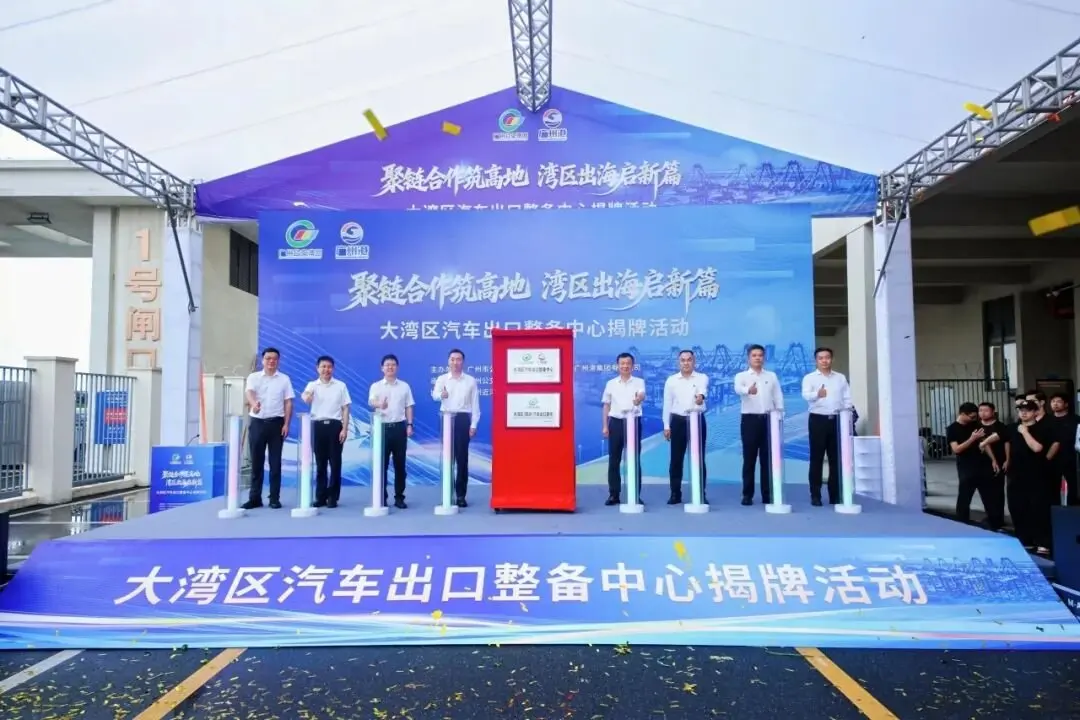
On July 30, 2026, the Guangdong-Hong Kong-Macao Greater Bay Area Vehicle Export Reconditioning Center, jointly established by Guangzhou Public Transport Group and Guangzhou Port Group, was officially inaugurated at Nansha Jinyang Terminal. The center pioneers an innovative "Arrive, Recondition, Export" portside operation model, filling a critical gap in standardized reconditioning services for the Greater Bay Area's automotive export sector. This initiative injects fresh momentum into the large-scale, standardized export of both new and used vehicles. For the many used-car export enterprises rooted in Guangzhou's Panyu District, this project delivers tangible improvements in cost and efficiency across the entire supply chain.
I. Strategic Portside Layout – Core Capabilities of the Reconditioning Center
1. Port-Backyard Integration – Zero-Distance Berth Access
Located within the Nansha Jinyang Terminal port area, the reconditioning center covers approximately 3,300 square meters and sits just 300 to 400 meters from the Ro-Ro berths. Vehicles can be moved directly from the market or OEM to the terminal for reconditioning, then cleared and loaded for export on-site. This eliminates the traditional workflow of "city workshop reconditioning – trucking back and forth to the port – secondary warehousing and transshipment," significantly reducing damage and delays caused by multiple loading and unloading cycles.
2. Monthly Capacity of Nearly 3,000 Units – Full-Service One-Stop Reconditioning
The center provides comprehensive reconditioning services for both fuel-powered and new energy vehicles, including inspection and repair, paint and bodywork, NEV three-electric maintenance, and parts remanufacturing. It covers the entire pre-export reconditioning chain for used vehicles, with a monthly capacity of nearly 3,000 units, capable of handling large-volume concentrated export orders.
3. National-Level Technical Support for NEV Maintenance
Backed by the technical expertise of Guangzhou Public Transport Group's Chen Weilin National-Level Master Technician Studio – the city's only facility specializing in NEV three-electric maintenance – the center has built a complete technical system covering vehicle sourcing, standardized reconditioning, three-electric fault diagnosis, and parts recycling and remanufacturing. This fills the technical gap in NEV used-car export maintenance at domestic ports.
II. Real Benefits for Guangzhou's Auto Export Enterprises
1. Reduced Logistics Costs and Significantly Shortened Turnaround Times
Previously, vehicles had to be reconditioned and modified at city-based workshops before being trucked to Nansha Terminal. Industry calculations show a single-vehicle trucking cost of approximately RMB 400, with bulk orders incurring trucking fees of over RMB 100,000 and requiring two full days of overland transport.
One trading company manager compared the costs: for the same scope of work, the total expense at an off-site reconditioning shop could be twice that of the portside model. Now, vehicles can be delivered directly to the terminal and enter the reconditioning process within just 30 minutes. This seamlessly connects reconditioning, warehousing, and vessel loading – saving both trucking costs and transit time.
2. Nansha Port's Industrial Cluster Effect Continues to Expand
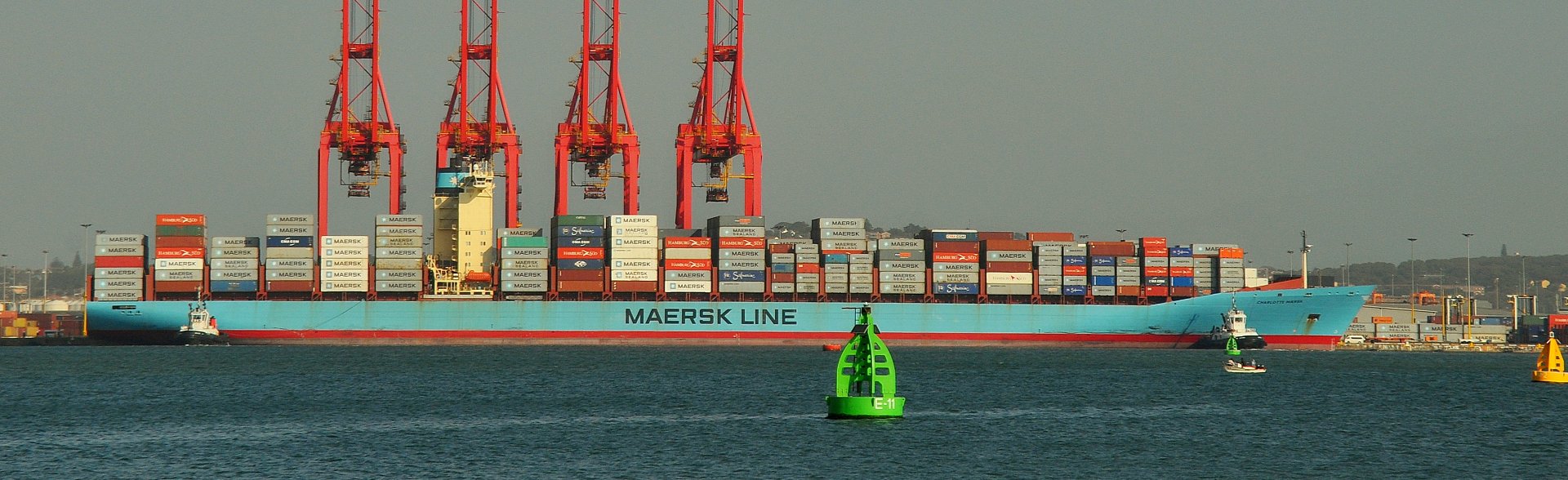
Shazai Island in Nansha has become the most concentrated cluster of used-car export enterprises in China. The number of Guangzhou-based used-car export enterprises registered on the Ministry of Commerce platform has surged from 10 in 2023 to 164. In the first half of 2026, Nansha Auto Port completed over 250,000 vehicle exports, a year-on-year increase of nearly 30%, with NEV exports doubling year-on-year.
The launch of the portside reconditioning center further strengthens Nansha's full-chain capabilities – from vehicle sourcing and inspection to reconditioning and Ro-Ro departure – consolidating its position as South China's premier automotive export hub.
III. Key Advantages for Panyu-Based Export Enterprises
As a major cluster for Guangzhou's used-car export industry, Panyu District benefits from its proximity to Nansha Port and is well-positioned to capitalize on the opportunities unlocked by this project:
Enhanced Logistics Cost Advantage: Panyu's vehicle supply sources are just a short overland distance from Nansha Port. With the new "arrive, recondition, export" model, the total cost from vehicle sourcing to vessel departure is further reduced.
Increased Capacity for Large-Scale Orders: With a monthly reconditioning capacity of nearly 3,000 units, Panyu-based enterprises now have sufficient backend support to handle large-volume procurement orders from markets such as Africa and the Middle East.
NEV Used-Car Export Capability Boosted: The center's specialized three-electric inspection and maintenance capabilities address a critical technical gap for local enterprises looking to expand into the used NEV export segment.
The launch of the Greater Bay Area Vehicle Export Reconditioning Center marks a significant milestone in Guangzhou's efforts to build a comprehensive after-market service system for automotive exports. It signals Nansha's transformation from a traditional "vehicle export port" into a fully integrated "vehicle export service hub."
For exporters, the benefits are clear: shorter logistics chains, lower reconditioning costs, and faster turnaround times translate directly into a competitive edge in overseas markets such as Africa. Enterprises are encouraged to leverage these portside resources to enhance their overall export capabilities.
Photo credit: Xinhua News Agency