Djibouti Is Not a "Loose Transit Hub": A 5-Year Red Line for Fuel Used Vehicles, and Bonded Transshipment Hides Vehicle-Seizure Risks
In the landscape of East African used-vehicle trade, Djibouti has long been used as a "transit stopover." The intuition of many practitioners is: since Djibouti is a free trade zone and a free port, the rules should be relatively loose — ship the vehicles to a bonded warehouse in Djibouti first, then distribute or transship by road as circumstances allow, with flexibility in both directions.
But a recent reality is that, after vehicles cross the ocean and arrive at port, they are directly ordered back by customs, or even seized during transshipment, with hundreds of thousands in costs unrecoverable. The problem often lies not in the logistics link, but in two key misjudgments about Djibouti’s rules: the vehicle age red line, and the "destination regulation penetration" of bonded transshipment.
Misjudgment One: The Age Ceiling for Fuel and Plug-in Hybrid Used Vehicles Is Only 5 Years
Djibouti’s age restrictions on imported used vehicles are far stricter than many people imagine.
For used fuel vehicles and plug-in hybrid passenger cars, the period of use at the time of import declaration must not exceed 5 years; once the limit is exceeded, customs will directly arrange for return shipment, with no room for exemption. This means that, based on 2026, the first registration time of used fuel and plug-in hybrid passenger cars needs to fall roughly in 2021 or later.
The access standard for used pure electric vehicles is somewhat relaxed, with an age ceiling of 8 years. But "relaxed" does not mean "exempt from inspection": at declaration, a Declaration of Conformity (DoC) document on safety compliance issued by the power battery manufacturer must be submitted; if on-site inspection finds damaged or severely aged batteries, customs clearance will likewise be denied.
For export enterprises mainly dealing in mid-to-high-age fuel vehicle sources, Djibouti’s 5-year red line is a hard filter. Treating it as a transit hub where "any vehicle can be shipped over first and sort it out later" plants the risk from the very moment of shipment.
Misjudgment Two: No Tariff Relief for New Energy Vehicles, and a Tax Logic Different from Neighbouring Markets
Another common misconception is to directly apply the new energy tax incentives of neighbouring markets to Djibouti.
Djibouti has no new energy tariff relief policy for used vehicles. Whether fuel vehicles, plug-in hybrids or used pure electric passenger cars, all are taxed uniformly at a 10% import duty plus a 10% value-added tax; the country does not levy excise tax by engine displacement, nor does it have a separate vehicle import purchase tax, and all taxes are calculated on the customs-approved dutiable value.
This means that at the customs clearance stage in Djibouti, electric vehicles do not gain a structural tax advantage from their "new energy" status. Budgeting in advance on the assumption of "EV tax exemption" can easily lead to a funding gap at the clearance stage.
The Real "Teeth" Come After Bonded Storage: Destination Regulations Penetrate the Bonded Warehouse
Djibouti’s bonded policy in the free trade zone is indeed attractive in itself: vehicles can be stored under bond for a long period after arrival, without immediate tax payment, which facilitates stockpiling and batch distribution. This is also why many people regard Djibouti as a transit hub.
But bonded status does not equal "free circulation." Once there is a plan to transport vehicles by road from the bonded warehouse into Ethiopia, the import regulations of Ethiopia must be fully complied with. Ethiopia currently bans fuel-type and range-extender vehicles from entry across the board. Even if all procedures are compliant at the bonded stage in Djibouti, as long as a fuel vehicle or range-extender vehicle enters Ethiopian territory, the vehicle will be directly seized, and in serious cases directly confiscated.
This is a rule penetration that is easy to overlook: Djibouti’s bonded warehouse solves the problem of "deferring tax payment," but cannot solve the problem of "whether the destination permits this type of vehicle to enter." For orders following the "Djibouti bonded + Ethiopia transshipment" path, the product selection logic must start from Ethiopia’s ban, not from Djibouti’s bonded convenience.
Djibouti’s Positioning Needs to Be Recalibrated
Putting the above rules together, Djibouti’s true positioning becomes clearer:
It is not a loose transit hub where you can "ship first and deal with it slowly." For local sales, the 5-year red line for fuel and plug-in hybrid vehicles, plus the 8-year ceiling and DoC requirement for pure electric vehicles, already constitute clear product selection constraints. For transshipment to Ethiopia, Ethiopia’s fuel vehicle ban penetrates Djibouti’s bonded status and directly determines whether the vehicles can continue to circulate.
When Chinese used-vehicle export enterprises use the Djibouti channel, they need to put three variables on the same checklist: vehicle age, powertrain type, and the regulations of the final destination. Djibouti’s local taxes and bonded policy are only an intermediate link; what ultimately determines whether a shipment lands safely is often that invisible red line of the destination country.
Djibouti’s opportunity is real — as the gateway to East Africa, its port traffic and transit function will not be replaced in the short term. But the regulatory barriers are equally real, and concentrated in details that are easy to underestimate. For export enterprises targeting the East African market, fully understanding Djibouti’s 5-year vehicle age red line, its new energy tax logic, and the destination regulation penetration of bonded transshipment holds more long-term value than securing one more low-priced shipping slot.
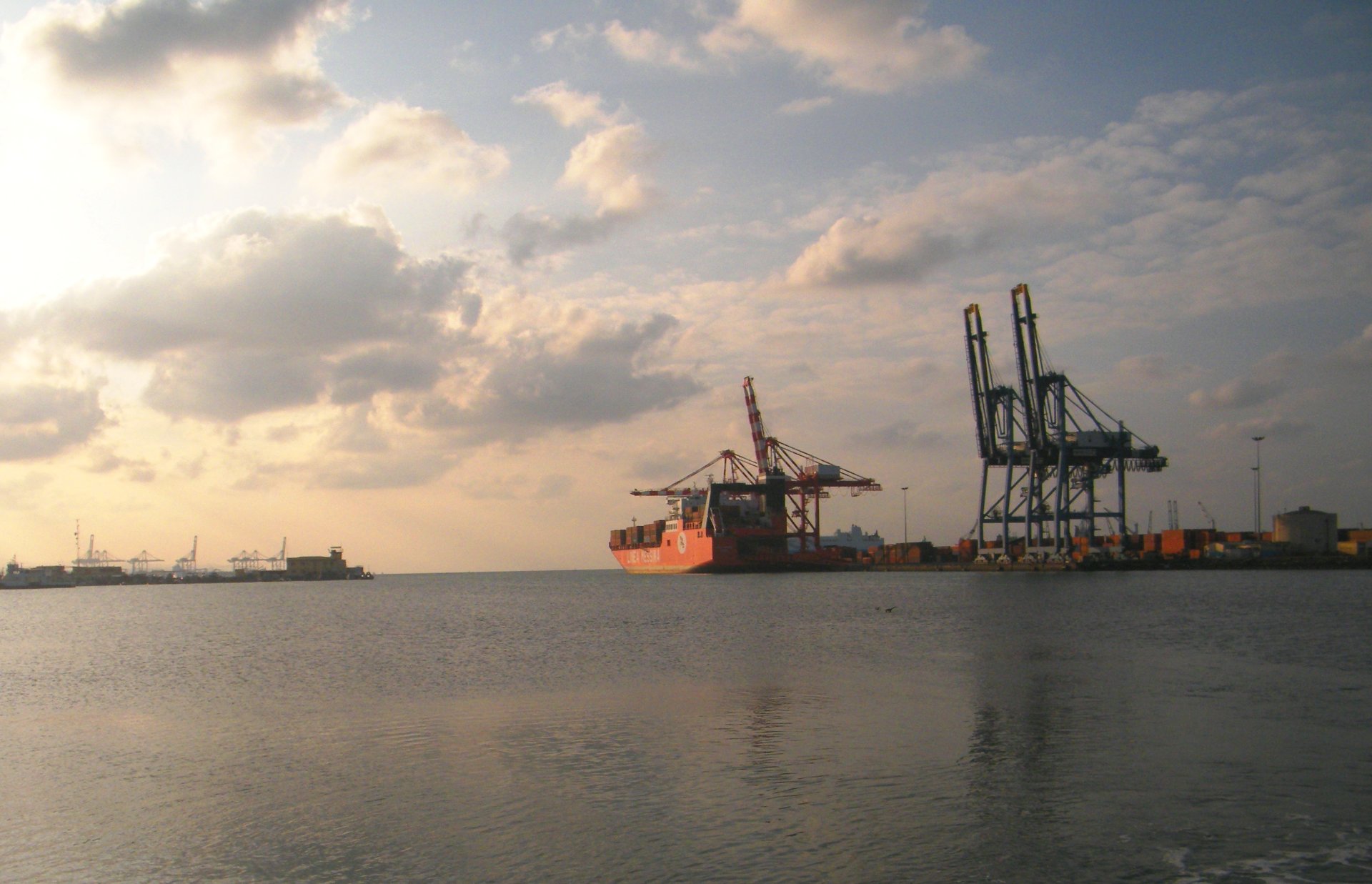
Image: The container terminal at the Port of Djibouti / Wikimedia Commons / CC BY-SA 4.0