Togo Used Car Customs Clearance: A 20% Duty-Base Cut and a December 20 Deadline
Key Takeaways • The window: November 16 to December 20, 2026, set by Togo’s tax and customs authority (OTR). • The discount: 20% off the customs dutiable value that import tariffs are calculated on. • Who qualifies: used vehicles over five years old that are awaiting customs clearance. • Why it exists: a backlog of uncleared used vehicles in storage at Lomé Port; a lower tax base clears the queue faster and eases congestion. • Track record: Togo ran comparable measures in 2023, 2024 and 202

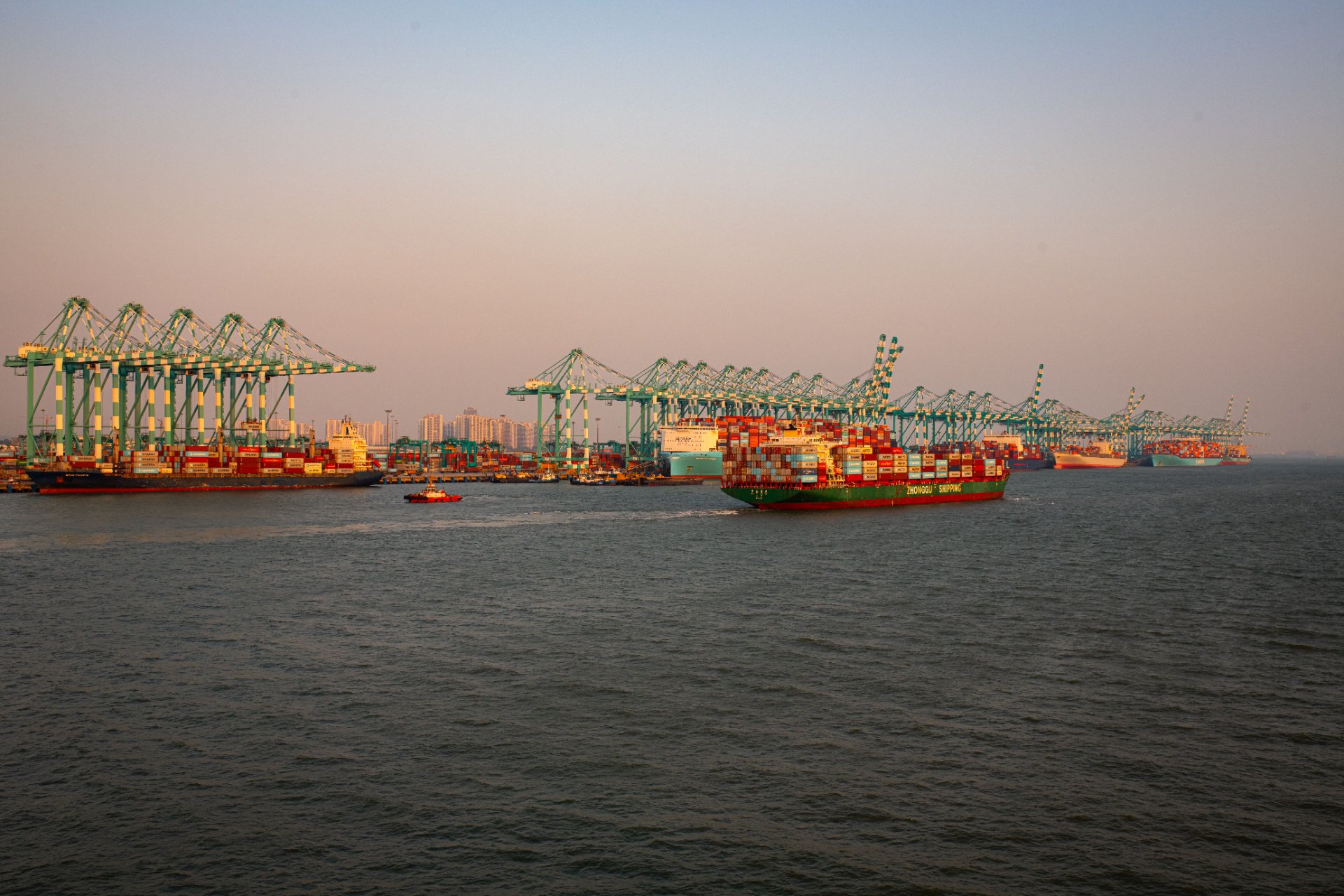
For most used-car exporters, the number that decides a client’s margin is not the purchase price or the ocean freight rate — it is the destination country’s temporary tax policy. A dealer in Lomé, Togo, acted on exactly that: once Togo customs announced a temporary cut in the dutiable value of older used vehicles, he reset his shipping schedule and pushed a batch of cars over five years old toward Lomé Port inside the window, taking 20% off his tariff cost before the vehicles had even berthed.
Key Takeaways
• The window: November 16 to December 20, 2026, set by Togo’s tax and customs authority (OTR).
• The discount: 20% off the customs dutiable value that import tariffs are calculated on.
• Who qualifies: used vehicles over five years old that are awaiting customs clearance.
• Why it exists: a backlog of uncleared used vehicles in storage at Lomé Port; a lower tax base clears the queue faster and eases congestion.
• Track record: Togo ran comparable measures in 2023, 2024 and 2025.
• Transit time: about 30 to 40 days from Nansha Port in Guangzhou to Lomé Port.
Togo’s Clearance Window: November 16 to December 20
Togo’s tax and customs authority (OTR) introduced the measure in November 2026. From November 16 to December 20, used vehicles over five years old that are waiting for customs clearance have the customs dutiable value used to calculate tariffs cut by 20%.
The rationale is straightforward. A batch of used vehicles awaiting clearance has built up in the storage facilities at Lomé Port, and the authorities want a lower tax base to move them through faster and relieve congestion. For importers, the effect is that older used vehicles cleared inside the window pay noticeably less in import duties and taxes. Togo took comparable steps in 2023, 2024 and 2025, so this is a temporary tool with a track record rather than a one-off.
The Buyer: A Lomé Dealer Who Sells 5- to 10-Year-Old Cars
The client has run a used-car business in Lomé for years, focusing on economy sedans and SUVs between five and ten years old. He called us as soon as the policy was published, wanting several cars he had already chosen to reach port before the window closed on December 20.
How We Hit the Window: Sources Ready, Sailing Space Secured
His requirement was clear: the cars were already picked from our base’s in-stock list, and the only open question was time. Sea freight from Nansha Port in Guangzhou to Lomé Port runs about 30 to 40 days, so a booking made at that point would in all likelihood land after the window had shut.
So the team did two things.
• First, confirm vehicle source status. The cars he selected had already been inspected and reconditioned at the base and were ready to be loaded into containers at any moment.
• Second, lock the fastest sailing. Through our partner carriers at Nansha Port we secured space on the earliest available sailing to Lomé, with departure set for late November.
The batch was made up mainly of domestically produced economy SUVs and sedans over five years old — precisely the category Togo’s policy covers. Whether they will still be inside the window on arrival depends on actual sailing times, and the client’s own call was that shipping early beats waiting for the policy to expire, even if the window closes just as the vessel berths.
Why Windows Like This Keep Recurring in African Markets
Togo’s dutiable-value cut is no isolated case. When ports clog up or clearance pressure builds, a number of African countries reach for the same kind of short-term tax adjustment. For local dealers these windows are tangible margin; for Chinese exporters, whether a client can be helped to catch one comes down to vehicle stock on hand and how fast shipments can be turned around.
What It Takes to Catch a Window
• Sources that can ship on demand. If the cars a client wants still have to be found and reconditioned in the domestic market, the window is gone by the time the paperwork clears. In-stock reserves and reconditioning capacity let a client lock cars and book freight the moment a policy lands.
• Sailing space that can actually be secured. Nansha Port is a core automobile-export hub for South China, and its route density and access to space are the infrastructure that buys time when a deadline is counting down.
• Information that keeps pace. Clients watch Togo’s tax changes themselves, but what they lack is a supply-chain partner able to respond quickly and turn a policy window into an actual shipping plan.
Togo’s Market Basics: Left-Hand Drive, No Age Cap, Tax Still Decides
Togo is a left-hand-drive market in West Africa, so Chinese stock fits without touching the steering wheel. There is no hard age ceiling of the kind Côte d’Ivoire enforces with its five-year red line, but the tax structure on older vehicles has to be worked through carefully. The fact that this window targets cars over five years old shows real local demand for mid- to high-age stock, with the tax burden as the variable that decides the margin.
For exporters selling into Togo, building the destination country’s tax calendar into the shipping plan is worth more in practice than shaving a little off the purchase price. Clearing inside a window versus outside it can shift the tariff base by 20%, and on a batch order that spread is enough to move a deal from profit to loss.
Frequently Asked Questions
• What exactly is the Togo customs clearance window?
It is a temporary measure from Togo’s tax and customs authority (OTR) running from November 16 to December 20, 2026, which lowers the customs dutiable value used to calculate import tariffs by 20% for used vehicles over five years old that are awaiting clearance.
• Which used vehicles qualify for the discount?
Vehicles over five years old that are waiting for customs clearance. The shipment in this case was made up mainly of domestically produced economy SUVs and sedans over five years old, which is exactly the category the policy covers.
• How much can an importer actually save?
The customs dutiable value is cut by 20%, so import duties and taxes on qualifying vehicles drop noticeably. For batch orders, a shift of that size in the tax base is enough to change whether the whole deal ends up profitable.
• How long does shipping from China to Lomé take?
Roughly 30 to 40 days from Nansha Port in Guangzhou to Lomé Port, which is why booking the sailing matters as much as finding the cars.
• Does Togo limit the age of imported used cars?
Togo has no hard age ceiling of the kind applied in Côte d’Ivoire, which enforces a five-year red line. The tax structure on older vehicles, however, needs to be calculated carefully before a shipment is committed.