East African Client Reorders and Adds Volume: First Batch of 8 Pure Electric Used Vehicles Delivered, He Found the Wealth Code in Addis Ababa
In African used-vehicle trade, many people think they must fly to Africa in person and open stores there to make big money. But truly smart local African dealers tend to choose a reliable "rear base" in China.
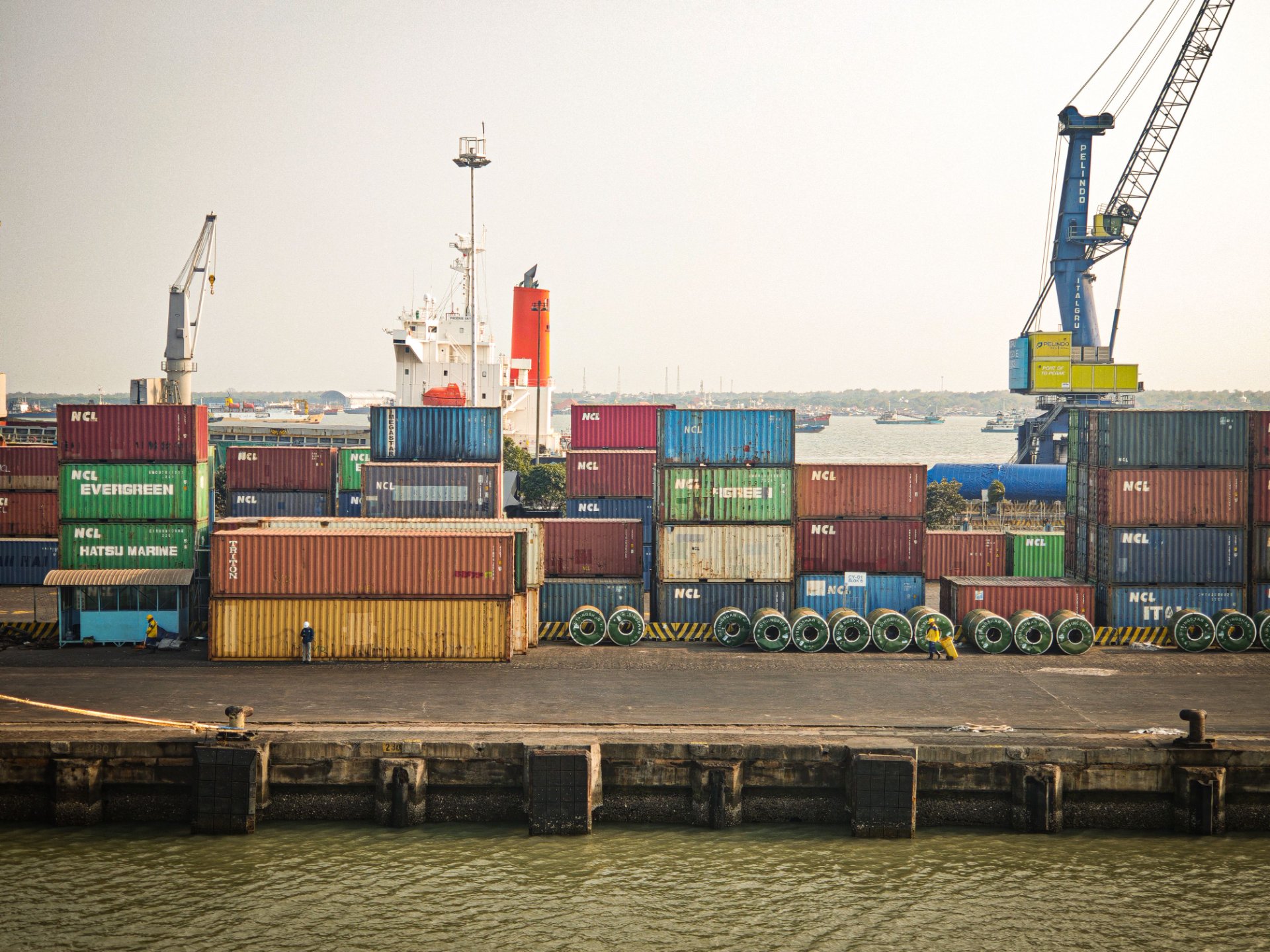
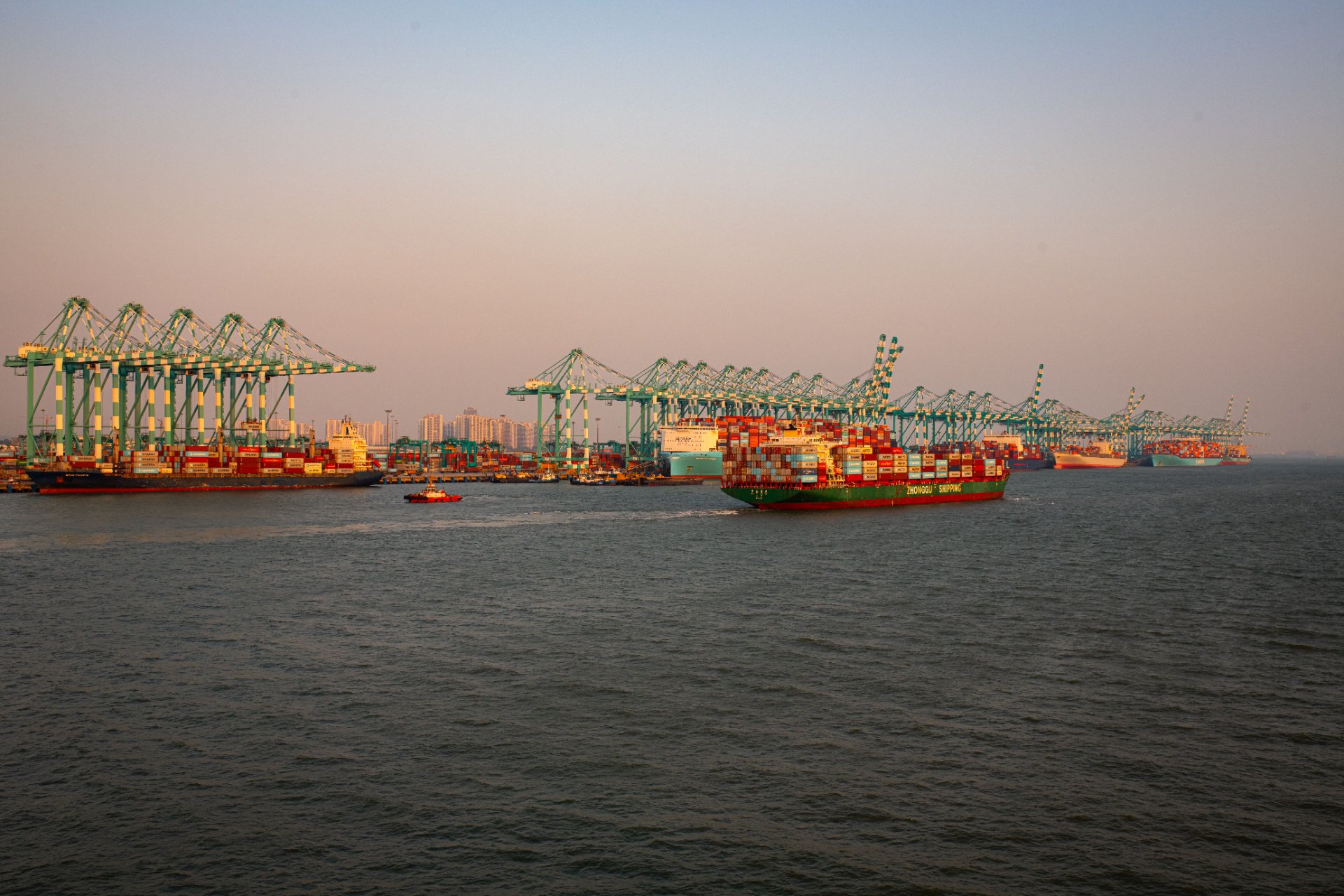
Today we share a real business case adapted from our own base: a buyer from Ethiopia, after a successful first trial order, recently decisively placed a second procurement order with us. The first batch of 8 domestically produced used pure electric vehicles has now completed all inspection and reconditioning in Guangzhou and is about to be shipped to East Africa via Nansha Port.
Why Has This East African Client Settled on Guangzhou’s Pure Electric Vehicle Sources?
As is well known, Ethiopia is the only country in the world that has fully banned the import of fuel passenger cars, and pure electric vehicles are currently the only permitted type of passenger car. Local demand for new-energy vehicles is extremely strong, but the pain point is also obvious: Ethiopia lacks a mature used-vehicle reconditioning and inspection system.
This Ethiopian client has a mature sales showroom and customs clearance channels locally. After surveying suppliers at several ports in China, he finally decided to concentrate his procurement in Guangzhou and entrust it to us.
The reasons are simple:
Abundant Vehicle Sources: The Pearl River Delta has a huge stock of new-energy used vehicles, and we can precisely select the models that best match the consumption capacity of the Ethiopian market.
Quality Guaranteed: African clients fear most buying a "blind box car" with severe battery degradation. Our base’s reconditioning center carries out in-depth inspections on the vehicles and issues a complete inspection report, so he can sell with confidence.
One-Stop Convenience: From vehicle viewing and reconditioning to customs declaration and ocean shipping, we cover everything, and he only needs to receive the cars and make money locally.
First Batch of 8 Ready to Go: Keep the Complexity in China, Leave the Profit to the Client
Recently, this East African client’s first order — 8 domestically produced used pure electric vehicles (mostly compact cars with high cost-effectiveness and strong parts commonality), have completed the final pre-delivery procedure at our Panyu base.
Before shipment, our team carried out meticulous reconditioning and refurbishment of the vehicles, and completed the full set of export documents
verification. After the vehicles arrive at Djibouti Port and are transported overland to Addis Ababa, the client only needs to present the customs clearance documents we provide to the local customs and can quickly put the vehicles into showroom sales.
For the client, although the first batch is only 8 vehicles, it has run through the entire China-Africa supply chain. He does not need to set up an office in China, nor fly over to monitor progress every day. He just sends us his requirements and leaves the rest to us.
The Three Business Logics Behind This Case
First, the dividends of the African market are shifting from "vehicle source price differences" to "policy dividends."
Ethiopia’s ban on fuel vehicles has created a blank market that only pure electric vehicles can enter. The same domestically produced used pure electric vehicles, if shipped to a market with fierce fuel-vehicle competition, must fight head-to-head with Japanese and Korean used vehicles for share; but shipped to Ethiopia, they face a blue-ocean track with almost no competitors. For export enterprises, the product selection logic must be highly aligned with the macroeconomic policy direction of the destination country in order to capture the largest premium.
Second, rather than blindly chasing a single huge order, helping clients run a "small-batch, high-frequency" repeat purchase model is more risk-resistant.
Although the market does have strategic mega-orders of thousands of vehicles over three years, real trade implementation often requires steady, solid steps. Take this Ethiopian client: the trial cost of the first 8 vehicles is low and the capital pressure is small. Once this batch sells well locally, stable repeat purchases will follow naturally. For African clients, this means more controllable vehicle condition standards and healthier capital turnover; for the exporter, a stable procurement expectation also supports our advance layout of vehicle source organization and reconditioning capacity.
Third, the supply chain and port advantages of Panyu, Guangzhou, are the foundation supporting this model.
This "compliant reconditioning + one-stop export" model does not rely on special resources; its core is vehicle source organization, inspection and reconditioning, and export logistics. Guangzhou is backed by the huge new-energy used-vehicle sources of the Pearl River Delta and faces the dense international shipping routes of Nansha Port, plus a mature customs declaration and documentation service system. Whether serving countries with policy dividends for pure electric vehicles such as Ethiopia and Rwanda, or other left-hand-drive markets, Guangzhou’s export base is fully capable of rapidly replicating the "Chinese vehicle sources + local channels" model and helping African clients make their business stable and bigger.