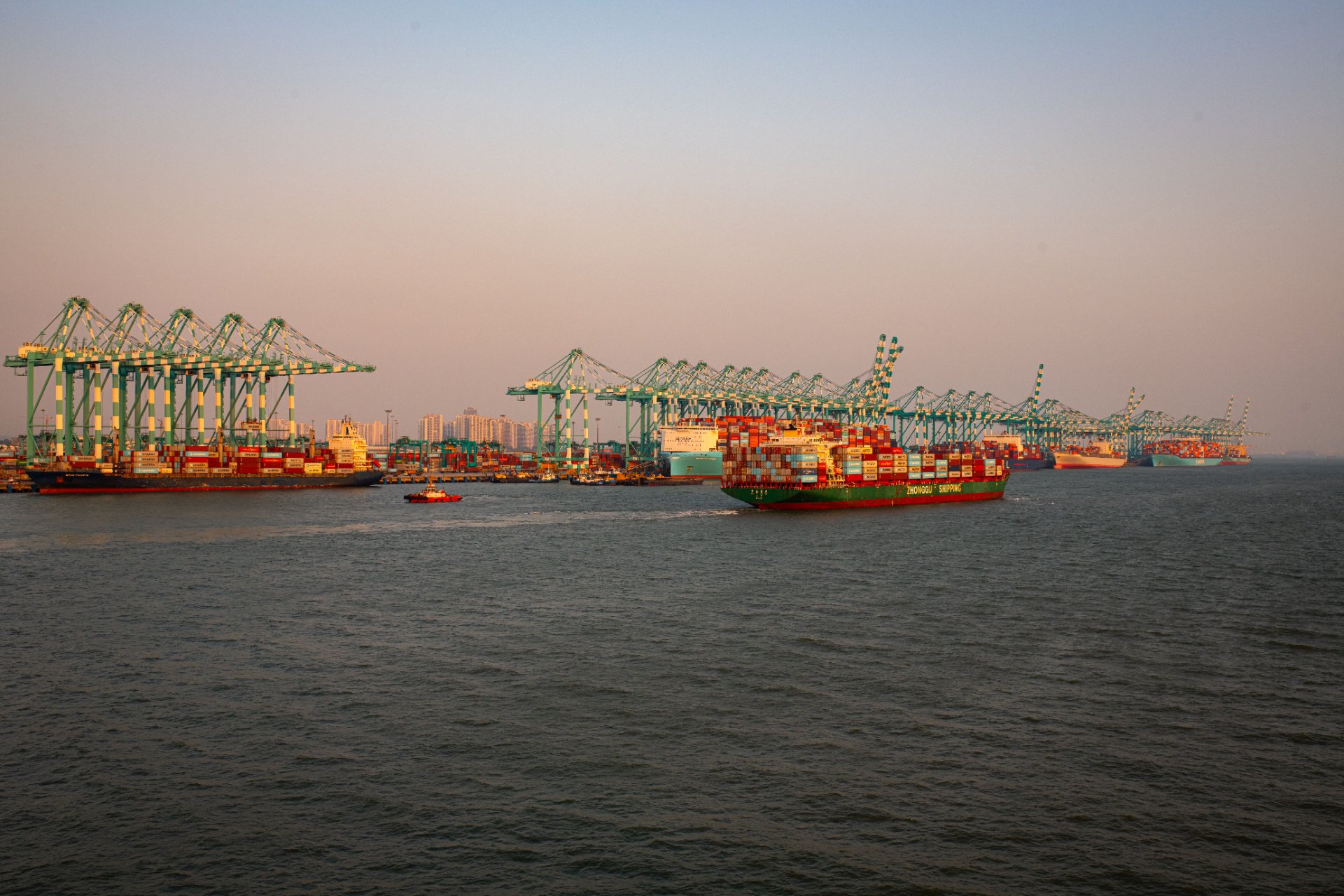
Nigerian Client Ali’s "Lagos Ledger": 50 Vehicles Shipped from Panyu, Guangzhou, Doubled His Earnings in Three Months
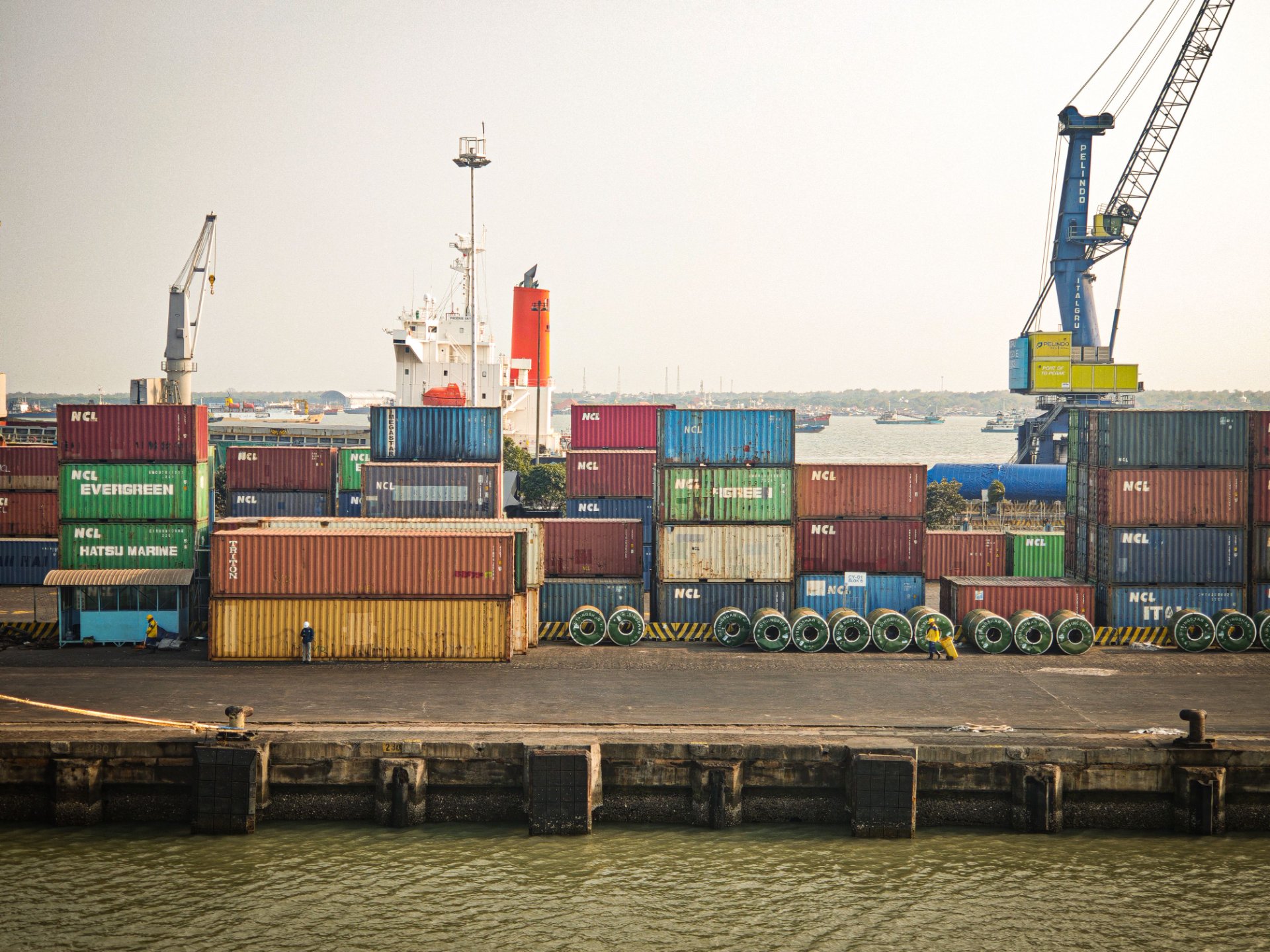
In discussions of African used-vehicle trade, we often focus on policy changes and compliance thresholds. But for local African car dealers, what they really care about is: with the same capital, can they buy vehicles that sell better? Can their money turn over faster?
Today’s case comes from Nigeria, West Africa’s largest country. Ali, a car dealer in Lagos, through cooperation with the China (Guangzhou) Automobile Export Wholesale Base, not only stabilized his monthly procurement at around 50 vehicles, but also leveraged the advantages of Guangzhou’s supply chain to achieve profits and turnover rates in Lagos that far exceed those of his peers.
The Pain Points of a Lagos Dealer: Why Travel to Guangzhou?
Nigeria is Africa’s largest used-vehicle market, but for a long time most dealers in Lagos have relied on traditional Japanese vehicle sources or local reselling. Ali was the same before, but he found that as yen exchange rates fluctuated and local competition intensified, the acquisition cost of Japanese used vehicles kept rising and his profit margin was severely squeezed.
In early 2026, Ali set his sights on China. But he faced a problem: as an African buyer, going directly to China to find vehicle sources easily runs into unclear vehicle condition, incomplete documentation and logistics pitfalls.
Through an introduction from a fellow trader, Ali got in touch with us. Unlike the traditional "you buy, I sell" model, our export team opened the base’s in-stock vehicle resource library directly to Ali, and the export process is handled entirely by us domestically.
Ali only needs to do his numbers, pay the deposit and wait for the vehicles to arrive at port in Lagos.
A Real "Lagos Ledger": How Did the First Order’s Profit Double?
For the first order, Ali made a tentative purchase of 10 vehicles, mainly domestic SUVs such as Geely and Changan, with domestic acquisition prices kept in the range of 80,000 to 100,000 yuan.
After these vehicles arrived in Lagos, Ali worked out a detailed account:
Cost side: thanks to China’s huge used-vehicle stock, for domestic SUVs of the same year and same condition, the acquisition price is only about 60% of that of Japanese vehicles; in addition, Nigeria lowered the import surcharge on used vehicles in fiscal year 2026, further reducing the overall tariff cost.
Terminal selling price: in Lagos, these well-equipped and stylish domestic SUVs are extremely popular with the local middle class and ride-hailing fleets. Ali priced these 10 vehicles about 15% lower than Japanese used vehicles of the same class, yet still substantially higher than his domestic acquisition price.
After deducting ocean freight, customs clearance fees, local taxes and miscellaneous charges, Ali’s overall net profit on the first order reached over 100,000 yuan. What surprised him even more was the turnover speed — because these domestic vehicles offered extremely high value for money, all 10 were snapped up locally in less than a month.
In the second month, Ali’s procurement directly doubled to 20 vehicles; three months later, he stabilized at an average of 50 vehicles per month.
In a follow-up interview Ali told us: "In the past, buying Japanese vehicles tied up capital for a long time, and they often would not sell because the price was too high. Now, sourcing from Guangzhou, the vehicle condition is transparent and they sell fast. My capital can turn over one extra cycle every month, so naturally I earn more."
Why Does This Chain Work?
The reason Ali can make money is that we helped him straighten out three links:
1. Precise Product Selection: Differentiated Competition That Hits the Pain Point
African consumers do not only buy cheap cars; they like high specifications too. The domestic SUVs we helped Ali select have good condition and high specifications, directly outcompeting the local old, low-specification Japanese used vehicles by a whole dimension.
2. Process Upfront: Keep the Complexity in China, Leave the Simplicity to the Client
Customs clearance and certification in Nigeria (such as VehCAP) are becoming increasingly strict. If the documentation goes wrong, the vehicles arriving in Lagos are nothing but scrap metal.Once the vehicles arrive in Lagos, Ali takes the clearance documents we provide and can collect the cars directly through a local agent, greatly reducing the risk and demurrage costs of the intermediate links.
3. Trust Mechanism: Vehicle Condition You Can See, Profit You Can Calculate
African clients fear the "blind box" most. Before each vehicle is shipped, we provide full high-definition photos of the whole car. Ali now has a reliable "rear warehouse" in Guangzhou; he does not need to fly to China to keep an eye on things — he only needs to send over his procurement needs and leave the rest to us.
Ali’s "Lagos Ledger" is in fact a microcosm of Chinese used-vehicle exports to Africa.
Demand for cost-effective Chinese vehicle sources in West Africa’s left-hand-drive market is real and enormous. For local African dealers, whether they make money often depends on whether the Chinese supply chain behind them is efficient and reliable enough.
The China (Guangzhou) Automobile Export Wholesale Base does more than sell cars; it is African dealers’ "super procurement department" in China. With professional export services and transparent vehicle condition control, we help clients open up the local market and achieve a win-win of both profit and turnover rate.