The Canton Fair: Spanning seven decades, building a bridge for global trade.
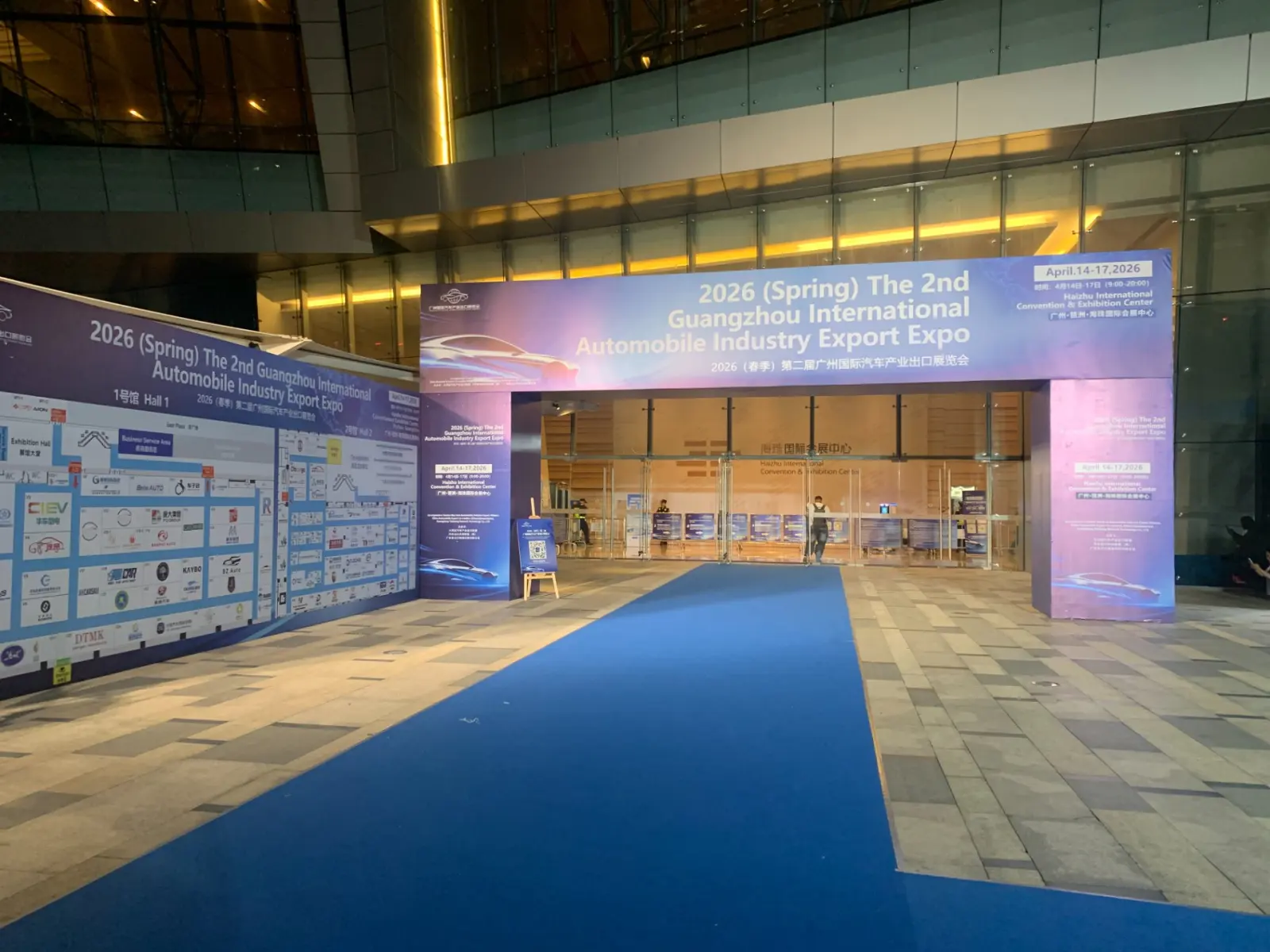
As spring tides surge along the Pearl River, the grand opening of the Canton Fair gathers guests. When the 139th China Import and Export Fair (Canton Fair) opens as scheduled on April 15, 2026, at the Pazhou Complex in Guangzhou, this grand event, founded in 1957, once again connects China with the world's trade networks, writing a new chapter in its seven-year history of openness. From its initial role as a groundbreaking act to break the blockade, to its current status as the world's largest comprehensive international trade fair, the Canton Fair is not only a barometer and weathervane of China's foreign trade, but also a vivid microcosm of China's commitment to opening up and achieving mutual benefit and win-win results with the world.
Looking back at history, the Canton Fair was born with a mission of its time. In the 1950s, the newly founded People's Republic of China faced the severe challenge of international blockade. The US-controlled Coordinating Committee on Export Controls and the UN's embargo proposals made China's foreign trade extremely difficult. At that time, Guangzhou, with its geographical advantages of being adjacent to Hong Kong and Macau and close to Southeast Asia, as well as its deep ties with compatriots in Hong Kong and Macau and overseas Chinese in Southeast Asia, became an important gateway for China to connect with the world. In 1956, the China Export Commodities Fair was held in Guangzhou, serving as a "prelude" to the Canton Fair. In just two months, it attracted 2,736 merchants from 37 countries and regions, generating US$53.8 million in transactions, laying a solid foundation for the subsequent grand event. On April 25, 1957, the first China Export Commodities Fair officially opened, showcasing over 12,900 exhibits, attracting more than 1,200 merchants from 19 countries and regions, resulting in 3,878 transactions and a transaction volume of US$17.54 million. This made the fair a major channel for China's export earnings and conveyed to the world the sincere desire of the new China to develop trade relations on the basis of equality and mutual benefit.
Over seventy years of trials and tribulations, the Canton Fair has grown through iteration and transformed through innovation. From its initial focus solely on export trade, to the addition of an import exhibition area at the 101st session in 2007, officially renamed the "China Import and Export Fair," it achieved a leap from a "one-way export platform" to a "two-way empowerment of import and export." From its initial venue at the Sino-Soviet Friendship Building in Guangzhou to the modern 1.55 million square meter exhibition hall on Pazhou Island today, the total number of booths has grown from several thousand to 75,700, and the number of participating companies has increased from a few hundred to over 32,000. The scale of the Canton Fair has expanded dozens of times, and its influence radiates globally. For decades, it has never been interrupted, even maintaining operations through online platforms during special periods, becoming the only large-scale comprehensive exhibition in the world to be continuously held, demonstrating its commitment as "China's No. 1 Exhibition" through its perseverance. Throughout different historical stages, the Canton Fair has always closely followed the pulse of national development. In 1965, its export transaction volume accounted for more than 30% of China's total exports, and in 1972 and 1973, this figure exceeded 50%, making it a core hub for China's foreign economic exchanges. In the new era, it has proactively aligned itself with the Belt and Road Initiative and the RCEP regional cooperation, becoming an important node in promoting the dual circulation of domestic and international markets.
Today, the Canton Fair has long transcended its function as a simple commodity trading platform, becoming a crucial window showcasing China's new productive forces and leading high-quality development of foreign trade. The 139th Canton Fair, as the first major foreign trade event of the "15th Five-Year Plan" period, presented the distinct characteristics of "innovation, excellence, specialization, and practicality": the number of product zones increased to 179, with 9 new zones added for the first time, including smart wearables and consumer drones, keeping pace with industrial transformation trends; more than 11,000 high-quality enterprises with titles such as specialized, refined, innovative, and single-item champions participated, and 61% of these enterprises applied new technologies such as industrial internet and artificial intelligence; among the 4.65 million exhibits, new products, green products, and products with independent intellectual property rights each accounted for more than 20%, demonstrating the innovative vitality of Chinese enterprises; more than 210,000 pre-registered buyers participated, with leading purchasing enterprises increasing by 30% year-on-year, and new buyers from countries participating in the "Belt and Road" initiative showing significant growth, continuously improving the professionalism of investment promotion and the level of market diversification; more than 600 new product launches, 9 themed forums, and 15 "trade bridge" matchmaking events made supply and demand matching more efficient and pragmatic. From surgical robots in the smart healthcare zone to green products in the new energy exhibition area, from AI-powered exhibition navigation and booth-level information services to the cultural experience of the "Guangzhou Food Carnival," the Canton Fair is upgrading itself in terms of "professionalism, marketization, and digitalization," allowing every participant to feel the depth and warmth of China's openness.
The charm of the Canton Fair lies not only in its role as a platform for commodity trading, but also in its function as a bond of friendship and a bridge for cooperation. Here, buyers from 219 countries and regions around the world seek business opportunities, Chinese companies showcase their innovative achievements, and people of different skin colors and languages gather to build consensus through mutual benefit and win-win cooperation. The 137th Canton Fair saw intended export transactions reach US$25.44 billion, with transactions with countries participating in the Belt and Road Initiative accounting for over 60%. Currently, nearly 20% of participating companies are investing overseas, creating over 200,000 jobs locally, and putting the development concept of "joint consultation, joint construction, and shared benefits" into practice. As a grand event jointly hosted by the Ministry of Commerce and the Guangdong Provincial People's Government, and organized by the China Foreign Trade Centre, the Canton Fair has always adhered to the principle of "service first." From reducing or waiving booth fees and optimizing certification services to improving supporting facilities such as transportation, catering, and translation, every detail demonstrates its sincerity towards global merchants, truly making the "Canton Fair that never ends" a reality.
Seventy years of flourishing development, a new chapter begins. From a "breakthrough" in breaking down barriers to a "leader" in promoting high-quality development of foreign trade, the seventy years of the Canton Fair represent seventy years of China's deepening opening up and seventy years of China working hand in hand with the world. Against the backdrop of the "15th Five-Year Plan" proposing to "enhance the function of the trade promotion platform and continue to successfully hold the Canton Fair," this grand event, carrying historical memories and contemporary missions, will undoubtedly continue to polish the golden brand of "China's No. 1 Exhibition," continuously promoting Chinese products, brands, and services to the world, and allowing the world to share in the new opportunities of China's development.
The Pearl River rises, the grand event thrives forever. The Canton Fair, a trade bridge spanning seven decades, is connecting the past and the future, and linking China with the world, with a more open attitude, more innovative vitality, and more pragmatic measures, writing an even more splendid chapter of openness on the road to building a community with a shared future for mankind.