Ghanaian Ride-Hailing Platform Orders 10 Chinese New-Energy Used Vehicles in One Go: Driver Says "Very Satisfied" After Nearly 100,000 Kilometres
In discussions of African used-vehicle trade, we often focus on vehicle age red lines, certification thresholds and customs clearance rules. But what truly gets Chinese cars running in Africa are the buyers who dare to be the first to try something new in the local market. They place orders with real money and speak with actual operating data, which shows the true position of Chinese cars in Africa better than any policy analysis.
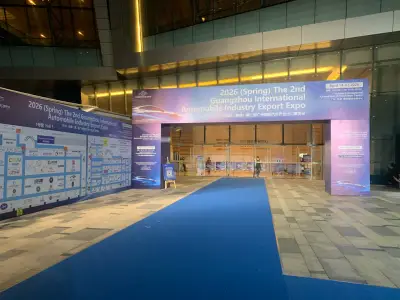
Today we share a verifiable real case: YANGO, a leading ride-hailing platform in Ghana, imported its first batch of 10 new-energy used vehicles from the China (Guangzhou) Automobile Export Wholesale Base and put them into operation, becoming the first Chinese electric vehicles to hit the road in the local green mobility transition.
Why Does a Ghanaian Ride-Hailing Platform Buy Used Electric Vehicles from China?
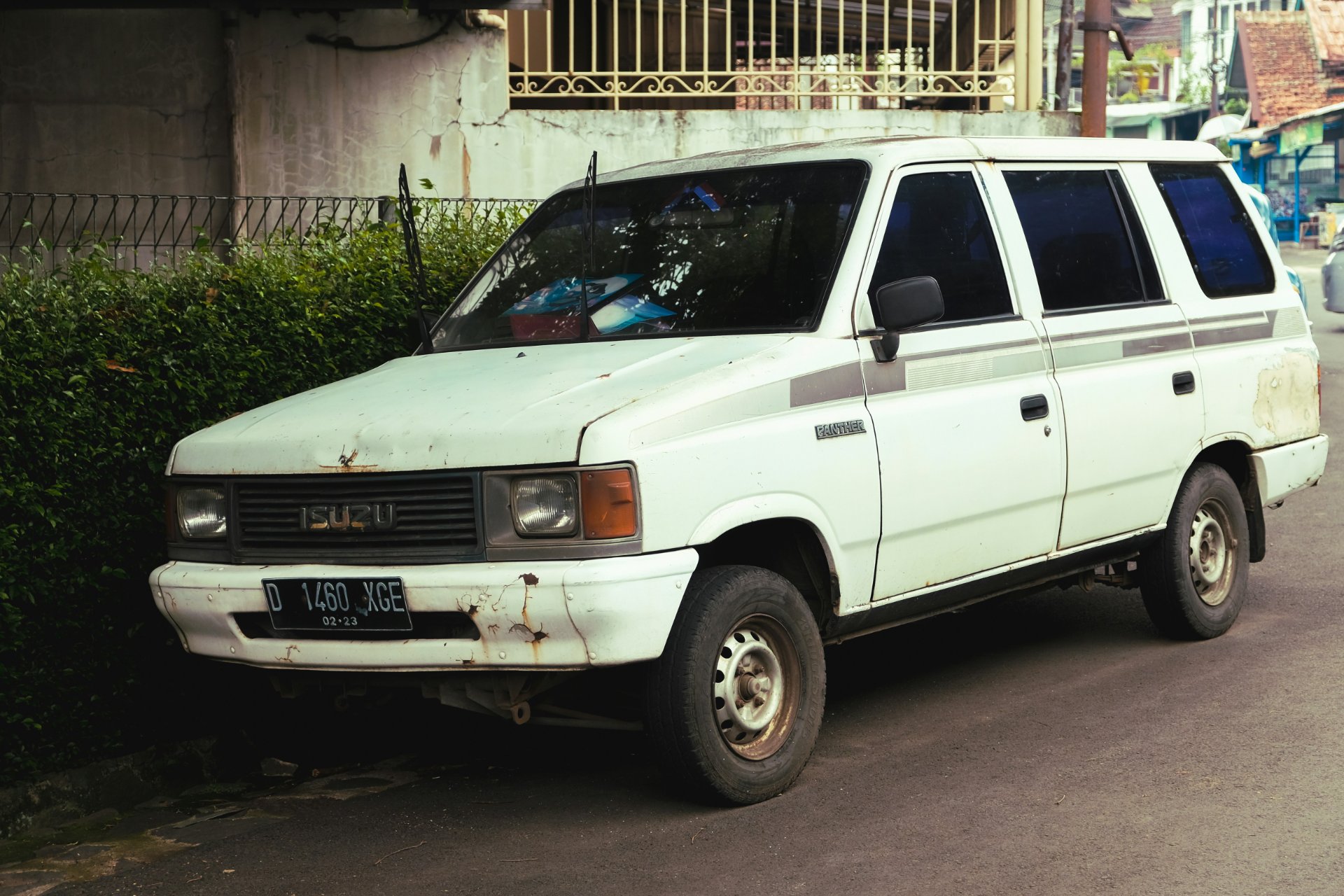
A driver on Ghana’s YANGO platform is now driving a Chinese-brand new-energy used vehicle. The car came from a Chinese company at the China (Guangzhou) Automobile Export Wholesale Base and is one of the first 10 vehicles delivered under the company’s strategic cooperation project with YANGO.
The YANGO platform driver’s assessment of this car is direct: "This car is in good condition, performs well and offers great value for money. Every day I drive it to take passengers safely and on time to their destinations. Since I took it over, the car has run nearly 100,000 kilometres, and both my passengers and I are very satisfied with it."
A Ghanaian passenger’s comment reflects the shift in local consumers’ mindset: "In Ghana, driving a Chinese new-energy vehicle gives you a lot of face."
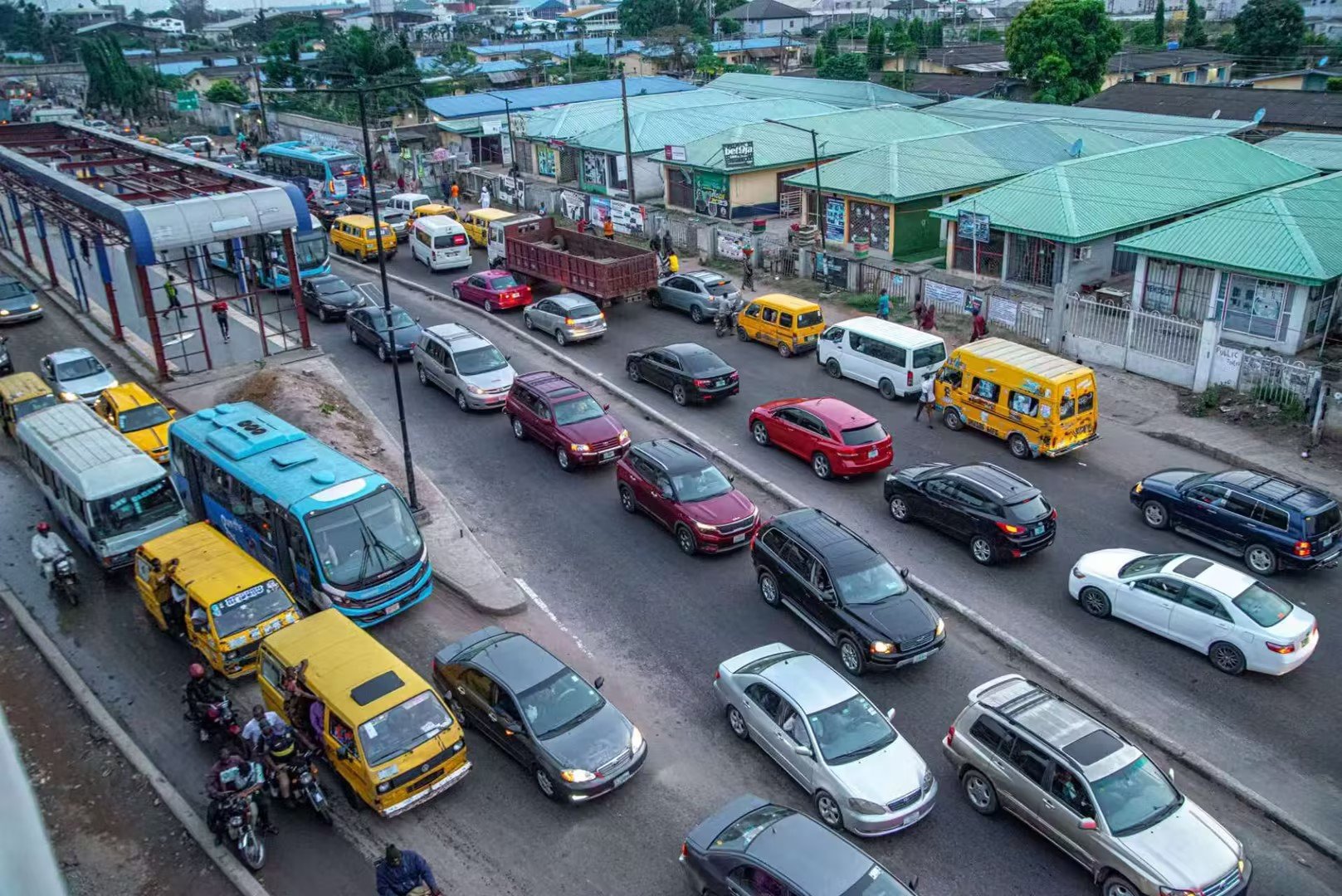
Behind this is a clear business logic at work. The Ghanaian government is promoting the green transition of public mobility, and according to local plans, the operating models of ride-hailing platforms will be gradually replaced with pure electric vehicles; this replacement demand alone is estimated at around 500 vehicles. For the platform side, the procurement cost of new cars is too high, while Chinese new-energy used vehicles land in exactly the right spot: reconditioned condition, guaranteed battery health, a price far below new cars, and eligibility for Ghana’s tax incentives for electric vehicles.
Not a "One-Off Deal": Reconditioning Standards and After-Sales Support Land Together
These vehicles could be put into operation smoothly not only because of price.
Before shipment, vehicles are reconditioned to professional standards to ensure power battery health above 85%, and are exported to the standard of "standard-spec used vehicles." For ride-hailing operating scenarios, battery health directly determines the vehicle’s range and operating efficiency, and this standard removes the platform party’s biggest concern.
More importantly, this business did not stop at the step of "selling cars." Under the two sides’ strategic cooperation plan, the next focus will be on new-energy vehicle after-sales service, battery repair and maintenance, and supply chain finance in the Ghana market. This means the African buyer is not doing a one-off deal, but building a sustainable operating ecosystem around Chinese vehicle sources.
The YANGO case offers a perspective different from "policy interpretation."
The dividends of the African market are shifting from "low-price vehicle sources" to "scenario-based demand."The electrification replacement of Ghanaian ride-hailing platforms is a demand with clear scale, policy support and operating-scenario backing. Export enterprises that only focus on "shipping whatever is cheap" will find it hard to capture such orders. Understanding the customer’s operating scenario and matching the corresponding vehicle condition standards and supporting services is the key to winning batch orders.
African buyers are becoming the "reverse definers" of product standards.The ride-hailing platform’s requirement of battery health above 85% is not a standard unilaterally set by the Chinese export side, but a requirement derived backwards from the operating scenario. As more and more African clients begin to raise such specific indicators, export enterprises’ reconditioning capability and quality control systems need to keep up.
After-sales capability is the precondition for repeat purchases.The fleet size of Ghanaian ride-hailing platforms will expand; if the after-sales experience of the first 10 vehicles is poor, the subsequent replacement demand for 500 vehicles will not flow to the same supplier. The China (Guangzhou) Automobile Export Wholesale Base laying out after-sales and battery maintenance in parallel during the cooperation is essentially paving the way for repeat purchases.
In the used-vehicle trade chain in Africa, policy is the variable, vehicle sources are the foundation, but what truly keeps business running is local clients like YANGO who have real operating scenarios, are willing to validate products with data, and have sustained procurement plans. Their orders explain the true competitiveness of Chinese vehicles in Africa better than any analysis report.