Ghana’s Zero-Tariff Dividend for Electric Vehicles: African Client Flies to Guangzhou Specifically, per-Unit Gross Margin on Pure Electric Used Cars Is Nearly Double That of Fuel Vehicles
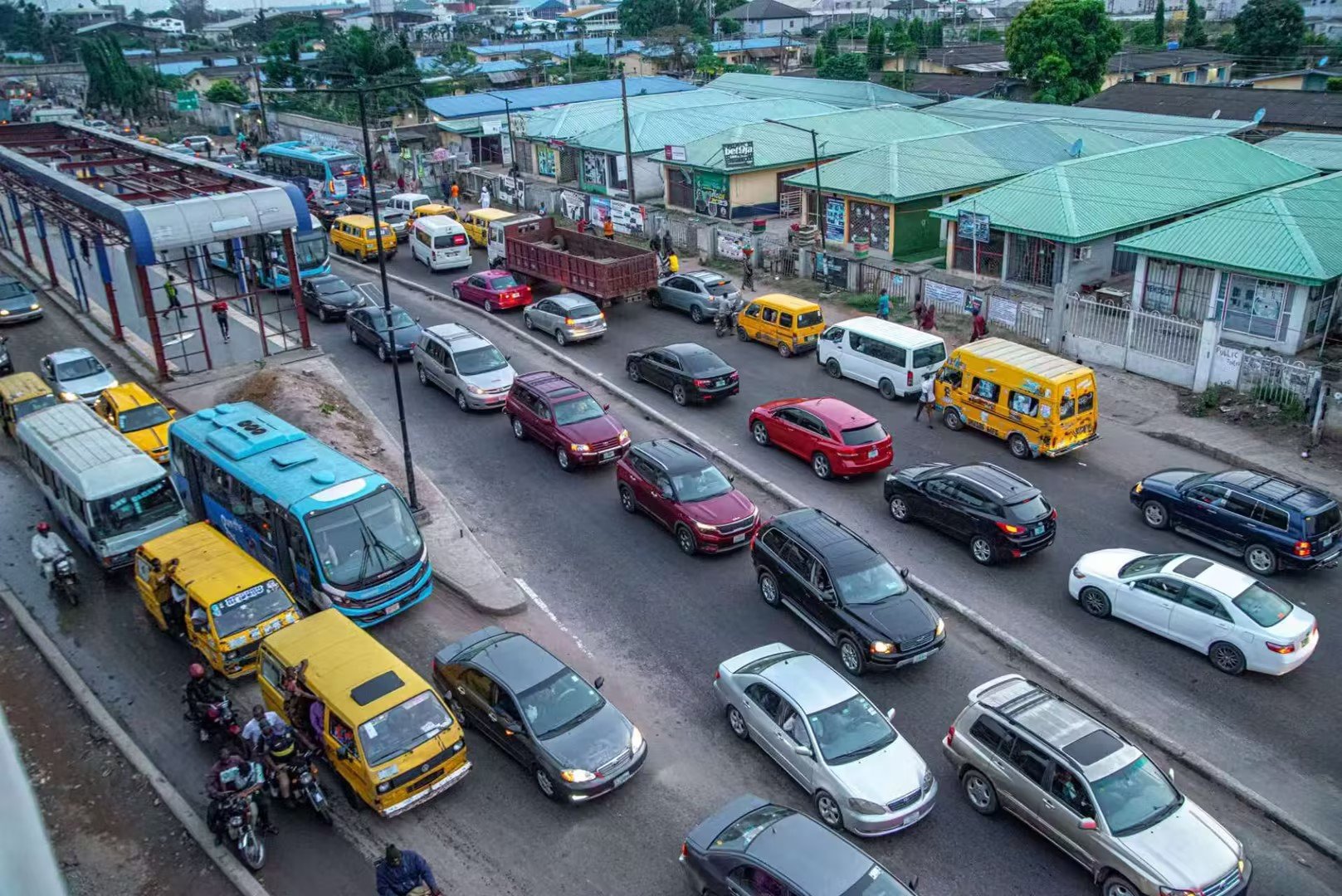
In discussions of African used-vehicle trade, Nigeria’s scale, Kenya’s right-hand-drive barrier and Rwanda’s new-energy window are all frequently mentioned topics. But in 2026 the country that has genuinely outpaced all African markets in growth is a country that is not the largest in volume but has extremely precise policy dividends — Ghana.
In the first half of 2026, China exported 14,000 used vehicles to Ghana, up 290% year on year, a growth rate that tops all of Africa’s top ten markets. Behind this figure is Ghana’s zero-tariff policy for new-energy used vehicles, and the real profit stories of a group of African buyers that it has spawned.
A Ghanaian Buyer Flies to Guangzhou for Just One Thing: Locking Down Pure Electric Vehicle Sources
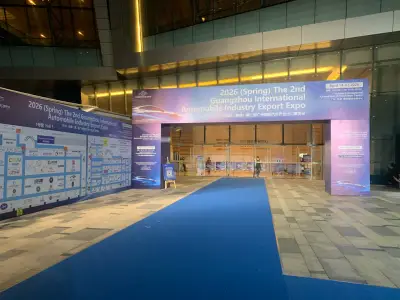
In September 2026, an auto trader from Accra, Ghana, flew to Guangzhou specifically. He did not go to the traditional fuel-vehicle wholesale markets to compare prices; instead he came directly to the China (Guangzhou) Automobile Export Wholesale Base with a very clear goal: to lock down a batch of domestically produced used pure electric vehicles.
This client had been running a used-vehicle business in Ghana for many years, mainly dealing in Japanese fuel sedans. But since 2026 he has clearly felt the market change: the Ghanaian government applies a zero tariff to electric vehicles, a large number of used pure electric models have flowed in, and local ride-hailing platforms and young consumers are rapidly becoming more accepting of electric vehicles. A domestically produced used pure electric car with 400 km of range and a smart cabin cannot be matched in the same price range by any Japanese fuel vehicle with a reversing camera — this is a generational gap, not a price gap.
After inspecting the vehicles on site, he purchased a first batch of 12 domestically produced used pure electric vehicles, mostly compact SUVs. After the vehicles completed reconditioning and export formalities, they were shipped via Nansha Port to Tema Port. After deducting ocean freight, customs clearance and local taxes, the terminal selling price of these vehicles in Accra made his per-unit gross margin nearly double that of the Japanese fuel vehicles he had previously mainly dealt in.
This Ghanaian client has done the math: for vehicles in the same 100,000-yuan class, a fuel vehicle must be priced at close to 200,000 yuan at the terminal in Ghana to guarantee a reasonable profit, whereas a pure electric vehicle can achieve a better gross margin in the 160,000 to 180,000 yuan range. For consumers in Accra, a Chinese pure electric car with higher specifications and lower running costs is still cheaper than a Japanese fuel vehicle of the same class, so the preference is very clear.
More importantly, Ghana’s electrification transition has clear scenario support. Local ride-hailing platforms are pushing to replace their operating models with pure electric ones, and this demand alone is continuously expanding. For African dealers, this means that once the vehicles arrive at port there is no worry about where to sell them, and capital turns over far faster than with traditional fuel vehicles.
The Ghana case provides a clear judgment: the dividends of the African market are shifting from "ship whatever is cheap" to "match the right vehicle sources precisely to whichever market has policy dividends."
The same domestically produced used pure electric vehicles, shipped to a market without new-energy tax incentives, will see their profit margin eaten away by taxes; shipped to a country like Ghana that applies a zero tariff, the same vehicle sources can deliver a higher gross margin. Export enterprises’ product selection logic needs to align with the destination country’s tax policy, rather than looking only at the acquisition price of domestic vehicle sources.
The window is real, but it will not stay open forever. Ghana’s 290% growth means a large number of players are pouring in. As supply increases and competition intensifies, the excess profit brought by the zero tariff will gradually narrow. For African clients who already have channels in Ghana, the current strategy is to scale up quickly and build terminal reputation; for export enterprises still watching from the sidelines, understanding the logic of Ghana’s zero tariff is more valuable than blindly following the trend and shipping.