Guangzhou Port Sees Strong Momentum in Auto Exports in First Half of Year: African Shipping Routes Further Expanded, Used Car Exports Accelerate
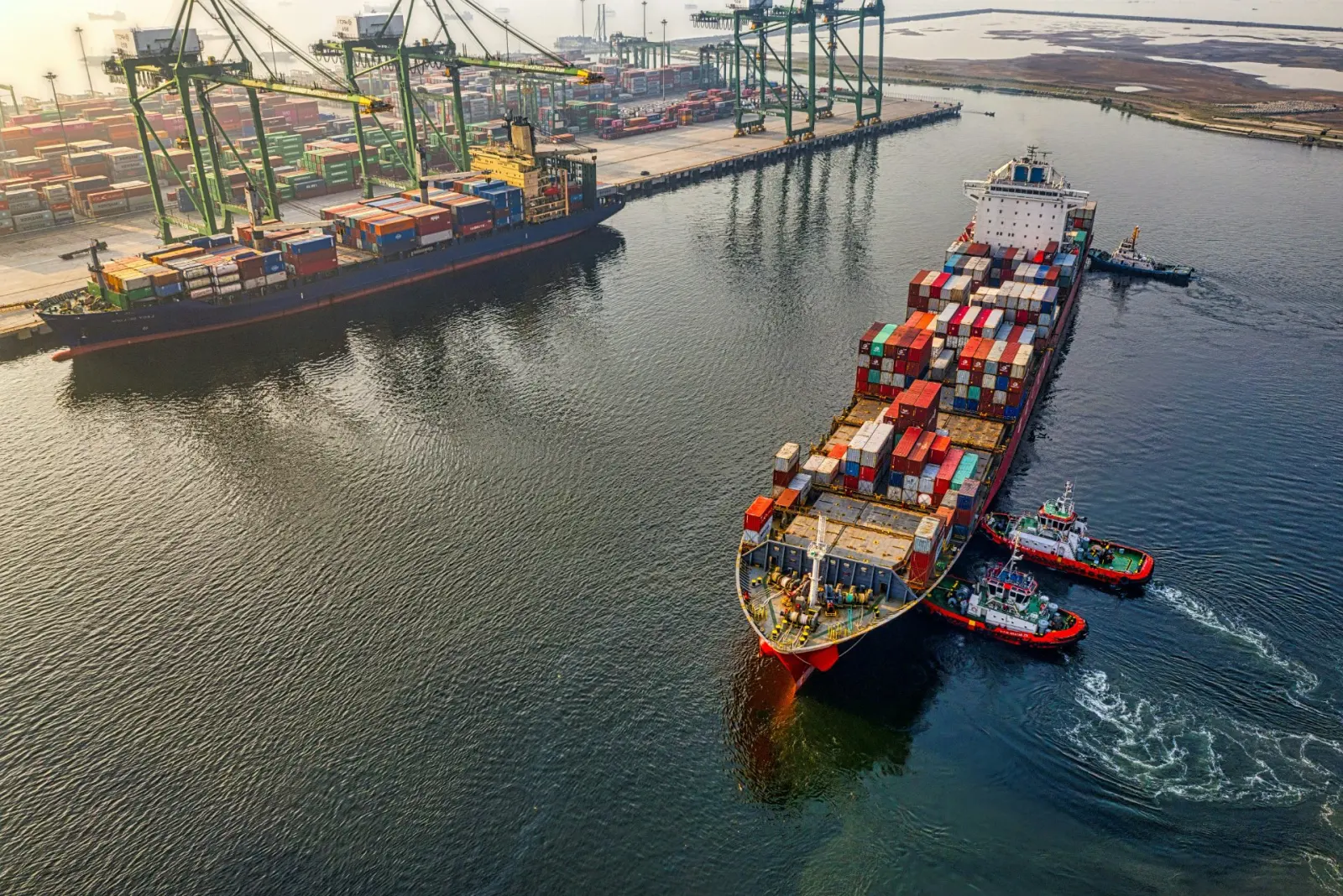
Guangzhou Port recently released its operational data for the first half of 2026, revealing rapid growth in automotive exports. As a key domestic hub for roll-on/roll-off (RoRo) vehicle exports, the port’s operational trends serve as a vital indicator of the dynamics surrounding Chinese automobiles expanding into overseas markets. Notably, the increasing frequency of shipping routes to Africa and the rapid rise of the used-car export business stand out as two significant structural shifts driving this growth.
I. Nansha Automobile Terminal: Transforming from a primary port for new vehicles into a comprehensive export hub handling both new and used vehicles.
Nansha Auto Terminal is a leading roll-on/roll-off (RoRo) automotive terminal in South China, boasting excellent berth facilities and robust vehicle handling capacity. In the first half of this year, the Nansha area maintained a positive overall trend in foreign trade RoRo vehicle exports.
Growth in used-vehicle exports has been particularly impressive, significantly outpacing that of new vehicles, with Africa serving as the primary destination. Driven by the continuous optimization of domestic policies regarding used-vehicle exports and strong purchasing demand from African markets, Nansha Terminal is moving beyond its traditional reliance on new-vehicle exports. It is evolving into a comprehensive automotive export hub that supports the simultaneous development of new and used vehicle trades and utilizes a multi-modal approach combining RoRo and container shipping.
II. Air routes to Africa continue to expand in frequency, with West Africa emerging as the most active market segment.
Since the beginning of the year, the Port of Guangzhou has continued to expand its shipping network to Africa, consistently adding and increasing the frequency of roll-on/roll-off (RoRo) routes serving key African ports. Amidst sustained high market interest and robust demand for West Africa routes, shipping capacity remains tight during peak seasons.
The West African market maintains high activity levels primarily due to two practical factors:
First is the advantage of steering wheel compatibility. West African nations such as Nigeria and Ghana utilize left-hand drive (LHD) systems - consistent with Chinese vehicle standards - meaning Chinese vehicles do not require steering wheel modifications, thereby significantly reducing export compliance and conversion costs. In contrast, most East African countries employ right-hand drive (RHD) systems, which imposes a distinct limitation on vehicle imports.
Second is the benefit derived from tariff policy adjustments. Nigeria’s revision of taxes and fees related to used-vehicle imports for the 2026 fiscal year has significantly lowered overall import costs, stimulating consumer activity in the end market. As a vital gateway port in West Africa, Ghana not only serves multiple neighboring countries but also absorbs a portion of procurement demand spilling over from other regions.
Currently, the majority of vehicles exported to Africa via the Nansha port rely on key West African ports for regional distribution and transshipment; this trade pattern is unlikely to undergo significant change in the short term.
III. Guangzhou’s used-car export enterprises enjoy multiple local locational advantages.
Compared to other regions in China, Guangzhou-based used-car export enterprises enjoy several unique competitive advantages:
Port Hinterland Advantage: The distance between the sources of used cars and Nansha Port is short; in contrast, vehicles from inland cities require long-distance, cross-regional transport, incurring higher overland logistics costs. For a business with limited profit margins, proximity to the port translates into tangible savings on overall costs.
Vehicle Supply Advantage: The Pearl River Delta is a major consumer market with a vast vehicle population and active trade-in turnover, offering an abundant supply of vehicles in excellent condition. Local enterprises can source vehicles within a short radius, effectively shortening procurement cycles and reducing purchasing costs.
Accumulated Policy Experience: As one of the first pilot cities for used-car exports in China, Guangzhou has amassed extensive practical experience in areas such as export declarations, streamlined customs clearance, and operational procedures. The city is home to numerous foreign trade enterprises qualified for used-car exports, with business networks spanning many countries and regions worldwide.
IV. Three Key Development Trends the Industry Needs to Focus On
In light of actual operations at the Port of Guangzhou, export practitioners should pay close attention to the following industry trends:
Trend 1: Tight Ro-Ro (Roll-on/Roll-off) capacity has become the norm.
Although Ro-Ro shipping routes to Africa continue to increase, the overall volume of domestic automobile exports keeps rising, resulting in persistent excess demand for Ro-Ro shipping space. Many foreign trade enterprises are beginning to export used cars via container shipping; while this entails a certain increase in logistics costs, the container model offers greater flexibility in securing space and more stable shipping schedules.
Trend 2: Market access regulations in African destination countries are becoming increasingly stringent.
Several African nations are refining their regulatory frameworks for used car imports. Ghana has confirmed that mandatory Pre-Shipment Verification of Conformity (PVoC) for imported vehicles will officially take effect on October 1, 2026, while Nigeria is also advancing its own pre-shipment certification systems. Enterprises exporting to Africa must proactively handle compliance tasks - such as vehicle preparation and document verification - to mitigate customs clearance risks.
Trend 3: A distinct market segment for used electric vehicle (EV) exports is taking shape.
The export business for used new energy vehicles (NEVs) is rapidly gaining momentum. The proportion of used NEVs exported through the Nansha Port has risen significantly compared to previous years, with African countries benefiting from tariff incentives - such as Nigeria - serving as key destinations. Used EVs differ substantially from traditional internal combustion engine vehicles regarding vehicle sourcing, inspection, and reconditioning standards, leading to the gradual emergence of a separate, specialized market segment.
The rapid growth of automobile exports from Guangzhou Port epitomizes the broader surge in Chinese vehicle exports, driven by robust actual demand from the African market. The port's strategic location, an abundant supply of vehicles, and mature supporting infrastructure for pilot programs collectively form the competitive foundation for Guangzhou-based used-car export enterprises. A company's ability to leverage these local advantages while effectively navigating overseas regulatory compliance will directly determine its market standing in the African export sector.
Photo by william william on Unsplash