African Export-Import Bank and African Association of Automotive Manufacturers Renew Cooperation Agreement: Reducing Reliance on Used-Car Imports, Driving Local Auto Manufacturing
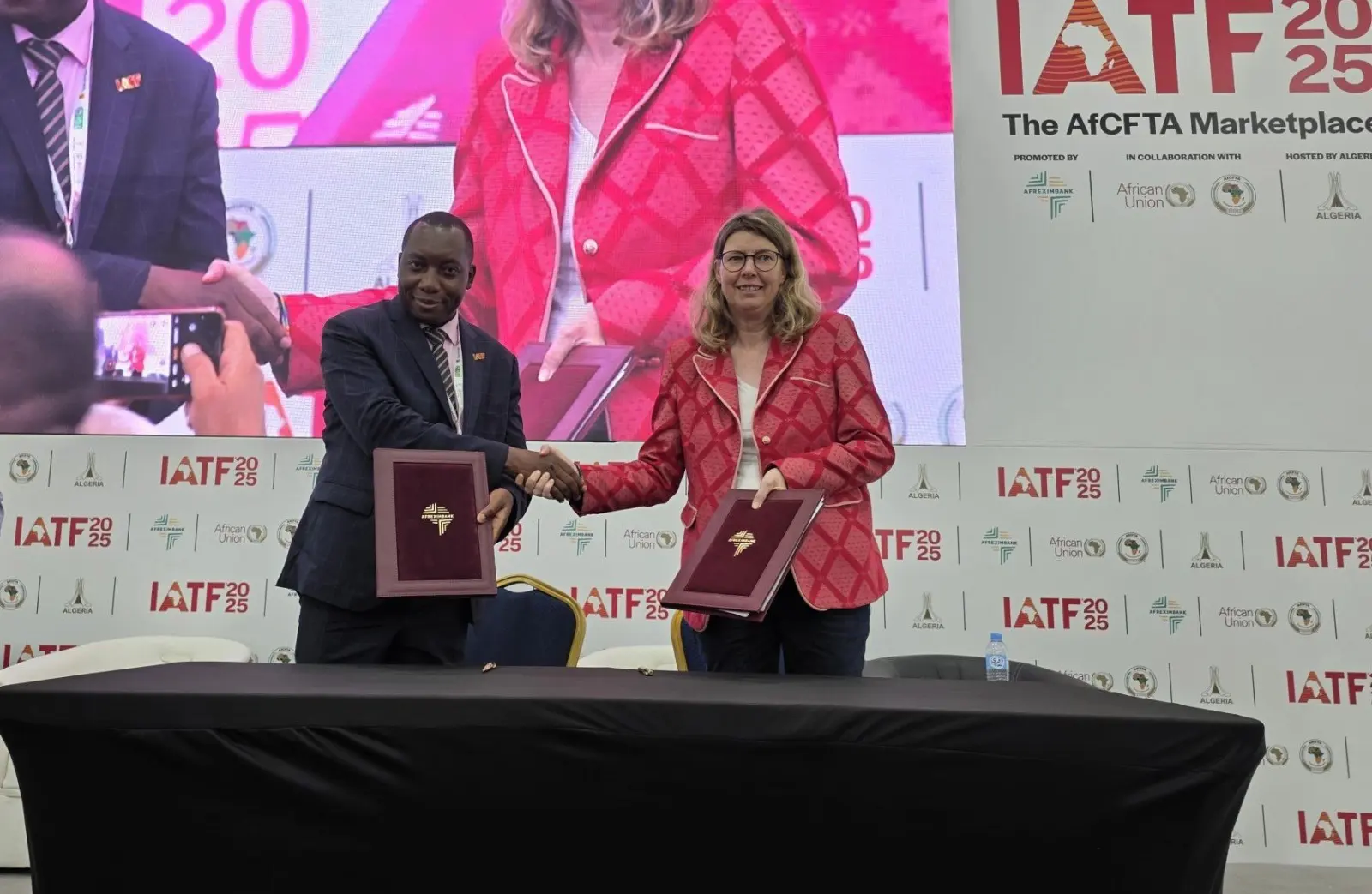
In April 2026, the African Export-Import Bank (Afreximbank) and the African Association of Automotive Manufacturers (AAAM) formally renewed their Memorandum of Understanding (MoU) during the fifth Intra-African Trade Fair (IATF2025) held in Algeria. This cooperation is intended to coordinate the strengths of both parties and promote intra-African trade and investment in the continent’s automotive sector.
For Chinese used-car export companies that are deeply cultivating the African market, this development sends a long-term signal worth noting — the African continent is systematically promoting the development of its local automotive industry and gradually reducing its reliance on used-car imports.
1. Core Objectives of the Cooperation
The renewed MoU is built around three pillars: regional automotive value chain development, automotive financing, and policy and capacity building. Gainmore Zanamwe, Director of Trade Facilitation and Investment Promotion at Afreximbank, said at the signing ceremony: “The MoU reflects the commitment of Afreximbank and AAAM to strengthening Africa’s industrialisation goals through strategic partnership. By combining financial innovation, policy support and value chain development in the automotive sector, we are driving a new era of intra-African trade and manufacturing.”
AAAM President Martina Biene, for her part, noted that logistics, energy, skills development and financing mechanisms must keep pace with the ambitions of Africa’s automotive industry: “Afreximbank’s leadership is critical in this regard, but so too is the commitment of governments to invest in infrastructure that connects factories to markets.”
Expected outcomes: the MoU is expected to catalyse industrialisation by stimulating local auto manufacturing, strengthen regional integration, improve trade flows, create skilled jobs, and reduce the entire continent’s reliance on used-car imports
2. Funding and Production Capacity Targets
Afreximbank has set up a US$1 billion dedicated financing facility to support member states in developing their automotive industries. Zanamwe stressed that the goal is to encourage the production of new cars, reduce used-car imports, and create jobs across the continent.
AAAM President Biene further set out specific production capacity targets: “By 2035, Africa can manufacture at least 3.5 to 5 million vehicles a year — creating job opportunities for young people, strengthening local supply chains, and ensuring that the dividends of industrialisation reach the entire continent.”
3. Implementation of Supporting Measures
The MoU also plans cooperation with the African Union, the Secretariat of the African Continental Free Trade Area, the African Organisation for Standardisation and other institutions to promote trade facilitation, capacity building, standards harmonisation and blended finance mobilisation
In terms of quality and standards, Afreximbank is establishing the African Quality Assurance Centre to fill the gap in testing and certification facilities. The first centre has been put into operation in Ogun State, Nigeria, with more centres planned in Kaduna, Kenya and elsewhere; these centres will play a key role in the certification of vehicles and components.
4. Implications for Chinese Used-Car Exporters
Short-term impact is limited, but the long-term trend is clear
In the short term, Africa’s local auto production capacity (currently only about 15,000 vehicles a year) is far from sufficient to meet market demand, and used-car imports remain a rigid demand. In the medium to long term, however, Africa is advancing its local automotive industry simultaneously on three fronts — policy, funding and standards — and the market space for used-car imports will be gradually squeezed.
The window for right-hand-drive markets will narrow further
The regional value chain development promoted by AAAM will give priority to serving Africa’s local assembly and manufacturing, which means that demand for used-car imports in right-hand-drive markets will be the first to be hit. For Chinese exporters, whose sources are mainly left-hand-drive vehicles, the strategic importance of the West African left-hand-drive market will become even more prominent.
Tighter compliance standards are an inevitable trend
The establishment of the African Quality Assurance Centre means that Africa is building a unified vehicle inspection and certification system. In the future, the compliance threshold for exporting used cars to Africa will only get higher, and companies that build up compliance capabilities early will seize the initiative.
The MoU between Afreximbank and AAAM is a landmark event in the shift of Africa’s automotive industry policy from “passive importing” to “active manufacturing”. The US$1 billion financing facility, the 2035 production capacity target of 3.5 to 5 million vehicles, and the rollout of the quality assurance centre network — these measures together point to a clear trend: Africa is making systematic preparations to gradually reduce used-car imports.
For Chinese used-car exporters, the transmission of this trend will still take time, but the direction is already clear. In the short term, they should seize the policy window to accelerate shipments; in the medium to long term, they need to watch the progress of Africa’s localised production and adjust their market layout in advance.
Photo: Afreximbank