Chinese Automakers Accelerate Global Expansion: The Middle East Emerges as a Key Growth Market
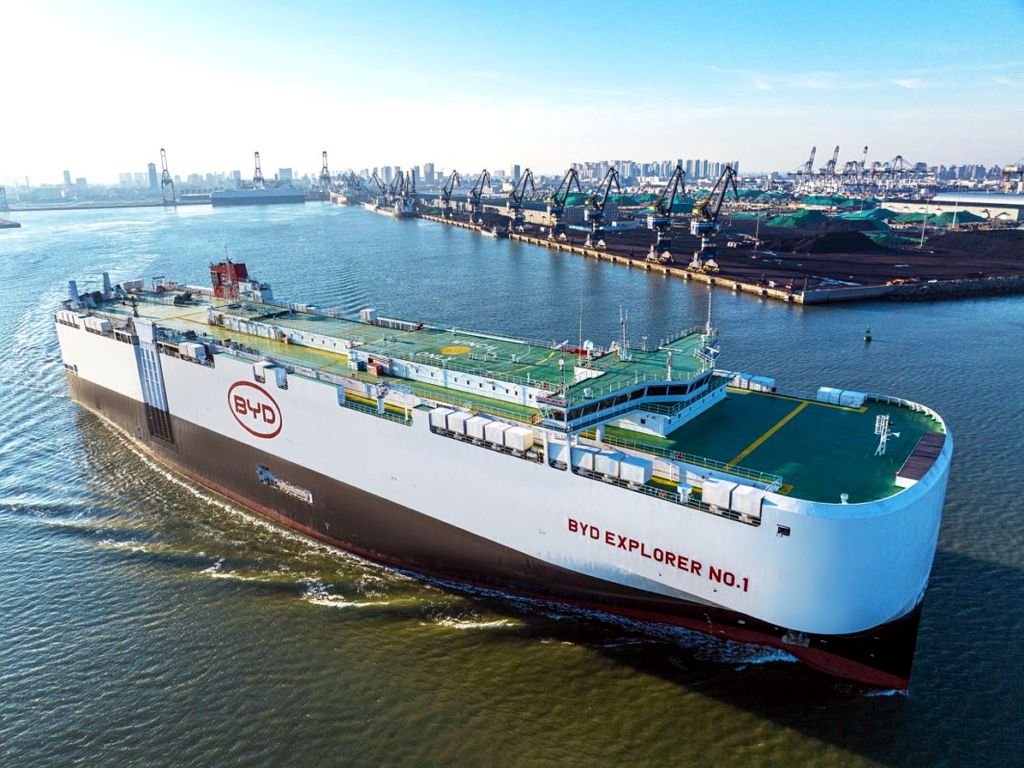
China's automotive industry is entering a new phase of international expansion, with automakers strengthening their presence across the Middle East, Africa, Southeast Asia, and Europe. Beyond vehicle exports, companies are increasingly investing in local manufacturing, charging infrastructure, and regional partnerships to build long-term competitiveness.
With the 2026 overseas sales target raised to 1.9–2.0 million vehicles, international markets are becoming an increasingly important pillar of growth.
Middle East: A Strategic Hub for Chinese Vehicle Exports
The Middle East is playing an increasingly important role in the global expansion strategies of Chinese automakers.
In September, more than 6,000 vehicles were shipped to Khor Fakkan Port in the United Arab Emirates, including the Fangchengbao Leopard 7 and Yangwang U9, according to the supplied figures. The Yangwang brand also officially entered the Middle Eastern market in 2026.
The UAE's strategic location, established vehicle trading networks, and access to neighboring markets make it an important gateway for automotive distribution across the Gulf and beyond.
For automotive importers and distributors, the growing presence of Chinese brands creates opportunities to expand model portfolios, strengthen supply chains, and respond to demand for competitively priced vehicles featuring modern technology.
Africa: Building Infrastructure and Local Partnerships
Africa represents another important growth opportunity, with Chinese automakers moving beyond exports toward longer-term market development.
In South Africa, plans call for the installation of 200–300 fast-charging stations by the end of 2026, alongside assessments of potential local battery and auto-parts manufacturing facilities.
In Egypt, BYD entered the market in February through a partnership with the Mansour Group. Cooperation with established local businesses can help automakers improve distribution, after-sales service, and market access.
These developments reflect a broader strategy: combining vehicle sales with charging infrastructure and localized operations to support the gradual adoption of electric vehicles across African markets.
Southeast Asia: Manufacturing Capacity Continues to Grow
Southeast Asia is becoming an increasingly important manufacturing and export base for Chinese automakers.
In Indonesia, the Subang plant, designed for an annual production capacity of 150,000 vehicles, entered mass production in the third quarter. Thailand's Rayong facility is already operational and, according to the supplied information, exports the BYD Dolphin to Europe.
In Malaysia, BYD has shifted toward a completely knocked-down (CKD) assembly arrangement with Sime Darby's Inokom, while its Cambodian plant has also begun operations.
Expanding production across Southeast Asia allows automakers to serve regional customers more efficiently and diversify their manufacturing footprint. It also creates opportunities for local suppliers, logistics providers, vehicle distributors, and after-sales service businesses.
Europe and Pakistan: Expanding the Global Manufacturing Network
Chinese automakers are also extending their international manufacturing presence into other strategic markets.
In Pakistan, a plant with an annual capacity of 25,000 vehicles, potentially expandable to 50,000, is part of the broader expansion picture.
In Hungary, the Szeged plant is scheduled to begin mass production in the fourth quarter of 2026. Local production can help manufacturers strengthen their regional presence and improve responsiveness to European customers.
The company also plans to establish 3,000 flash-charging stations across Europe by the end of 2027, reflecting the importance of charging infrastructure in supporting electric-vehicle adoption.
Together, these initiatives demonstrate that international expansion increasingly involves an integrated ecosystem of manufacturing, distribution, infrastructure, and customer support.
2026 Outlook: Overseas Sales Become a Major Growth Driver
The overseas sales target for 2026 has been raised to 1.9–2.0 million vehicles. Based on the supplied figures, overseas sales could approach domestic sales for the first time.
Achieving this target would represent a significant milestone in the international development of Chinese automotive brands. It would also underline the importance of overseas distributors, local partnerships, and regional manufacturing in supporting further growth.
For global automotive businesses, the expansion presents opportunities across vehicle imports, wholesale distribution, spare parts, charging solutions, and after-sales services.
Conclusion: A New Chapter for China's Automotive Industry
Chinese automakers are moving from an export-led model toward a more comprehensive international strategy that combines vehicle shipments with local production, infrastructure investment, and regional partnerships.
The Middle East stands out as a strategically important market, particularly for businesses operating in the UAE and the wider Gulf region. Meanwhile, developments in Africa, Southeast Asia, Europe, and Pakistan highlight the increasingly global nature of China's automotive industry.
As international sales targets rise and overseas operations expand, the next stage of competition will depend not only on vehicle pricing and technology, but also on local partnerships, service networks, product availability, and long-term customer confidence.
Editorial note: This article is based on the figures and developments supplied. Announced targets and planned projects are not necessarily completed or independently verified. Company-specific production, export, and infrastructure claims should be confirmed against official announcements before publication.