Shifting Dynamics in the East African Market | Ethiopia Bans All Imports of Internal Combustion Engine Vehicles, Opening an Export Window for Used EVs
Shifting Dynamics in the East African Market | Ethiopia Bans All Imports of Internal Combustion Engine Vehicles, Opening an Export Window for Used EVs
Against the backdrop of tightening regulations on used car imports across Africa, Ethiopia—a populous East African nation—implements the continent's most aggressive vehicle import policy. Having banned the import of internal combustion engine (ICE) passenger vehicles entirely starting in 2024, it became the first country globally to officially enforce such a prohibition. By August 2026, the ban was further tightened to eliminate import exemptions for diplomatic missions, effectively sealing off all avenues for ICE vehicles to enter the country. The Guangzhou Panyu export hub advises foreign trade professionals to re-evaluate the opportunities and compliance risks associated with this unique East African market.
I. Underlying Policy Logic: Mitigating Foreign Exchange Outflow and Driving Comprehensive Electrification
Ethiopia lacks domestic oil resources and relies almost entirely on fuel imports; consequently, the country spends significant amounts of foreign currency on fuel procurement, placing persistent strain on its foreign exchange reserves. Against this backdrop, the government has implemented a ban on the import of internal combustion engine (ICE) passenger vehicles to reduce foreign currency expenditure on fossil fuels and to vigorously promote the adoption of electric vehicles, leveraging the country's abundant hydroelectric resources.
The ban applies to both new and used vehicles—including gasoline, diesel, and hybrid models—and treats all importers equally, whether they are businesses, private individuals, or expatriates. Previously approved letters of credit for ICE vehicle imports have been voided, and there are no "backdoor" exceptions for customs clearance. A supplementary regulation issued in August 2026 further tightened enforcement by prohibiting even local diplomatic and consular missions from importing ICE vehicles.
Note: The ban targets passenger vehicles; certain specialized commercial vehicles fall outside the scope of these restrictions.
II. Favorable import tax policies for electric vehicles drive rapid release of market demand.
In stark contrast to the strict bans on internal combustion engine vehicles, Ethiopia offers highly favorable import tax terms for battery electric vehicles (BEVs):
Fully built-up (CBU) electric vehicles are subject to only a 15% tariff and are exempt from consumption and surtaxes;
For vehicles assembled locally from Complete Knock-Down (CKD) or Semi-Knock-Down (SKD) kits, tariffs are as low as 5%, with similar exemptions from consumption and surtaxes.
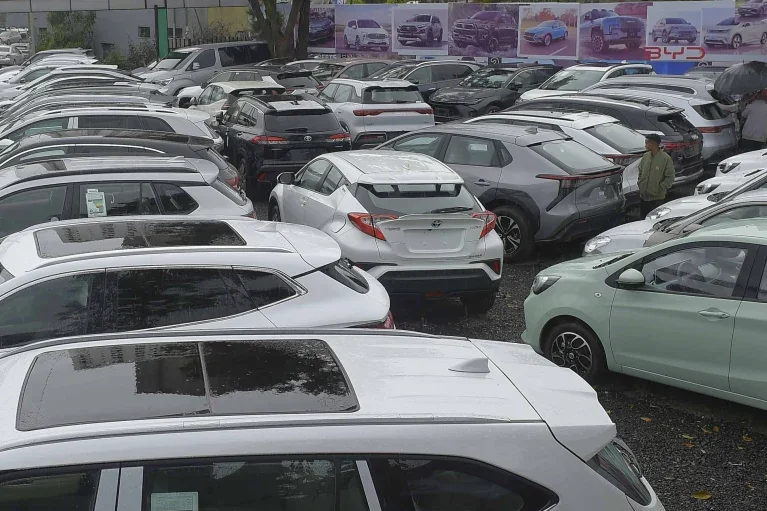
These policy incentives have driven rapid expansion in the local electric vehicle market. Chinese left-hand drive electric vehicles are well-suited to local traffic regulations—requiring no steering wheel modifications—and demand for Chinese-made used electric SUVs and compact hatchbacks continues to rise. However, favorable policies do not equate to an absence of barriers; Ethiopia is updating various technical standards for electric vehicles in 2026, imposing mandatory requirements regarding power battery safety, vehicle software languages, and third-party inspection reports, meaning not all used electric vehicles will successfully clear customs.
III. Key Risk Areas Requiring Vigilance by Exporting Enterprises
1. Internal Combustion Engine (ICE) and Hybrid Vehicles Strictly Prohibited
Many foreign trade enterprises habitually export used ICE sedans, SUVs, and pickup trucks; however, such vehicles are denied entry into Ethiopia, resulting in substantial costs for ocean freight, port demurrage, and return shipping. Hybrid models also fall under the ban; only battery electric vehicles (BEVs) are permitted for entry.
2. Extremely Strict Battery Testing and Document Verification
Exporting used electric vehicles requires a comprehensive power battery test report issued by a third-party agency accredited by CNAS. This report must cover key metrics such as State of Health (SOH), cycle count, and battery pack integrity. Furthermore, the commercial invoice, certificate of origin, VIN details, and test report data must align perfectly; local embassies apply rigorous document verification standards, and any discrepancies in the paperwork can lead to immediate customs clearance failure.
3. Specialized Logistics Routes
As Ethiopia is a landlocked country, vehicles must be shipped by sea to the Port of Djibouti and then transported overland to their final destination. This extended logistics chain requires enterprises to allocate sufficient time for both transportation and document processing.
4. Importer Obligations
Local regulations require electric vehicle importers to fulfill obligations regarding the construction of charging stations and after-sales service networks. Domestic exporters must verify in advance that their overseas buyers possess the necessary import qualifications to prevent cargo seizure due to the partner's lack of proper credentials.
Ethiopia represents a novel market model for Africa: bypassing the mass adoption phase of internal combustion engine (ICE) vehicles and mandating a direct shift to electric mobility. For the domestic used-car export industry, this offers a significant new growth opportunity but also entails stringent compliance requirements. Leveraging its proximity to Nansha Port and established infrastructure for EV export preparation, inspection, and customs clearance, Guangzhou is well-positioned to serve this sector; businesses looking to expand into East Africa should prioritize this market but must strictly adhere to regulatory boundaries, ensuring that neither ICE vehicles nor non-compliant used EVs are shipped.