Mali Used Car Import Tax: Why a 44% Duty Still Leaves Room to Double the Price
Key Takeaways • The tax: Mali charges a 44% one-stop comprehensive import tax on used cars, assessed on the CIF value. • The cash impact: on a car bought for 20,000 yuan, that alone is nearly 9,000 yuan before freight is counted. • The real cost stack: the 44% sits on top of ocean freight, customs brokerage, terminal storage and the inland leg from the port to Bamako. • The logistics constraint: Mali is landlocked, so cars are routed through Dakar, Abidjan or Conakry and then trucked inland.
In most discussions of the West African used-car trade, attention goes to the big markets — Nigeria, Ghana, Côte d'Ivoire. Mali is rarely the first country named, yet its import tax on used cars is 44%, calculated on CIF value, and it has no seaport, so every unit has to clear through a neighbour's port and then travel overland to Bamako. One Malian dealer who regularly flies into China keeps buying Chinese-brand used cars at around 20,000 yuan and selling them in Mali for 35,000 to 40,000 yuan — and says the price gap is not the number that matters most to him. This is what that ledger looks like, and where the controllable room sits.
What Mali Charges on an Imported Used Car
The headline figure is simple to state and expensive to ignore: 44%, a one-stop comprehensive tax applied to imported used cars and calculated on CIF value. On a 20,000-yuan car, that is close to 9,000 yuan paid at the border before the vehicle has moved a single kilometre inland.
That 44% is also the part buyers tend to plan for. The harder part is everything stacked around it: ocean freight, customs brokerage fees, terminal storage at the arrival port, and the overland haul from the port to Bamako. Each of those lines eats into the spread, and a buyer who counts only the tax is counting the ledger too short.
The Landlocked Problem: Clearing Through a Neighbour, Then Driving Inland
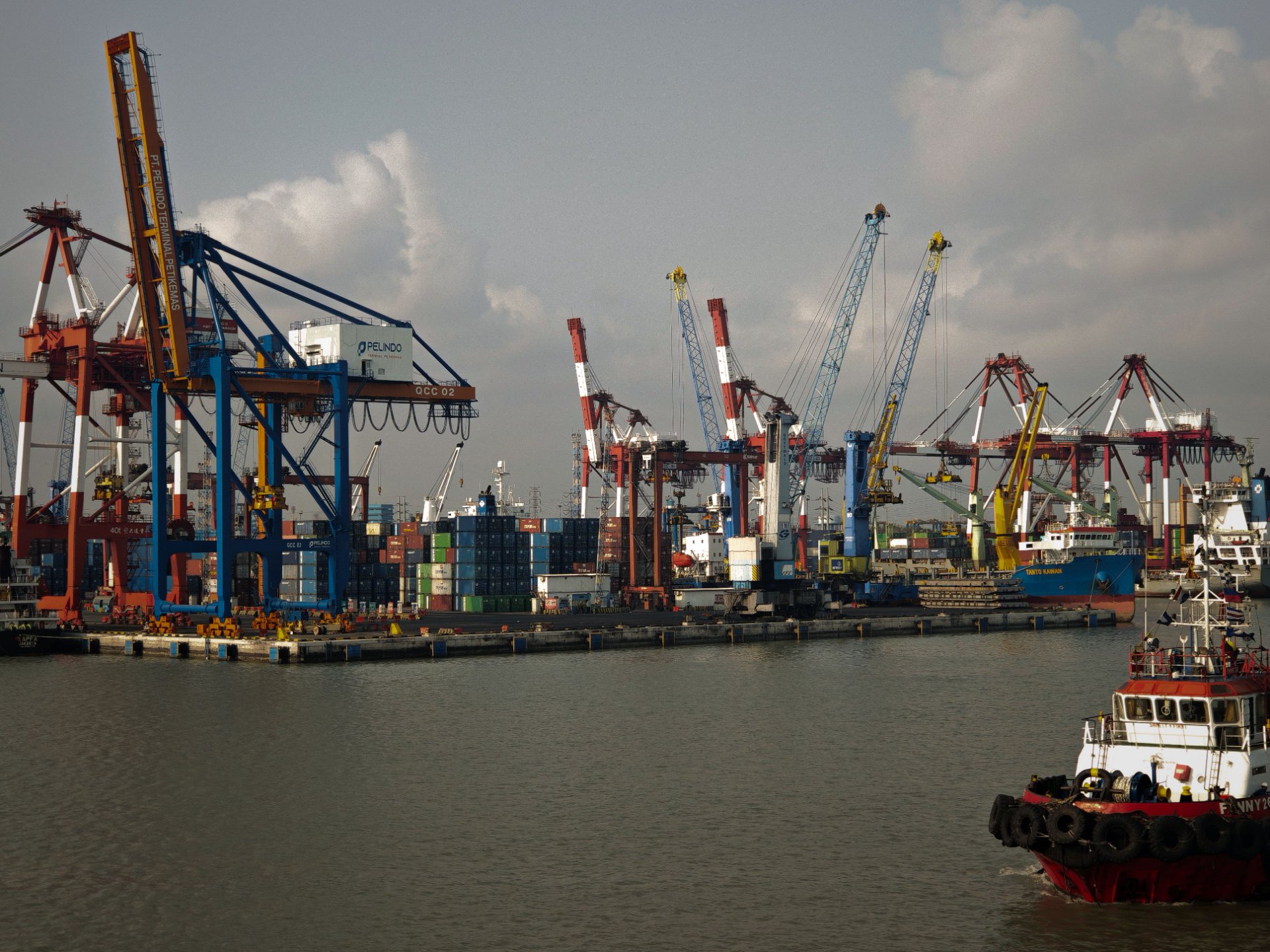
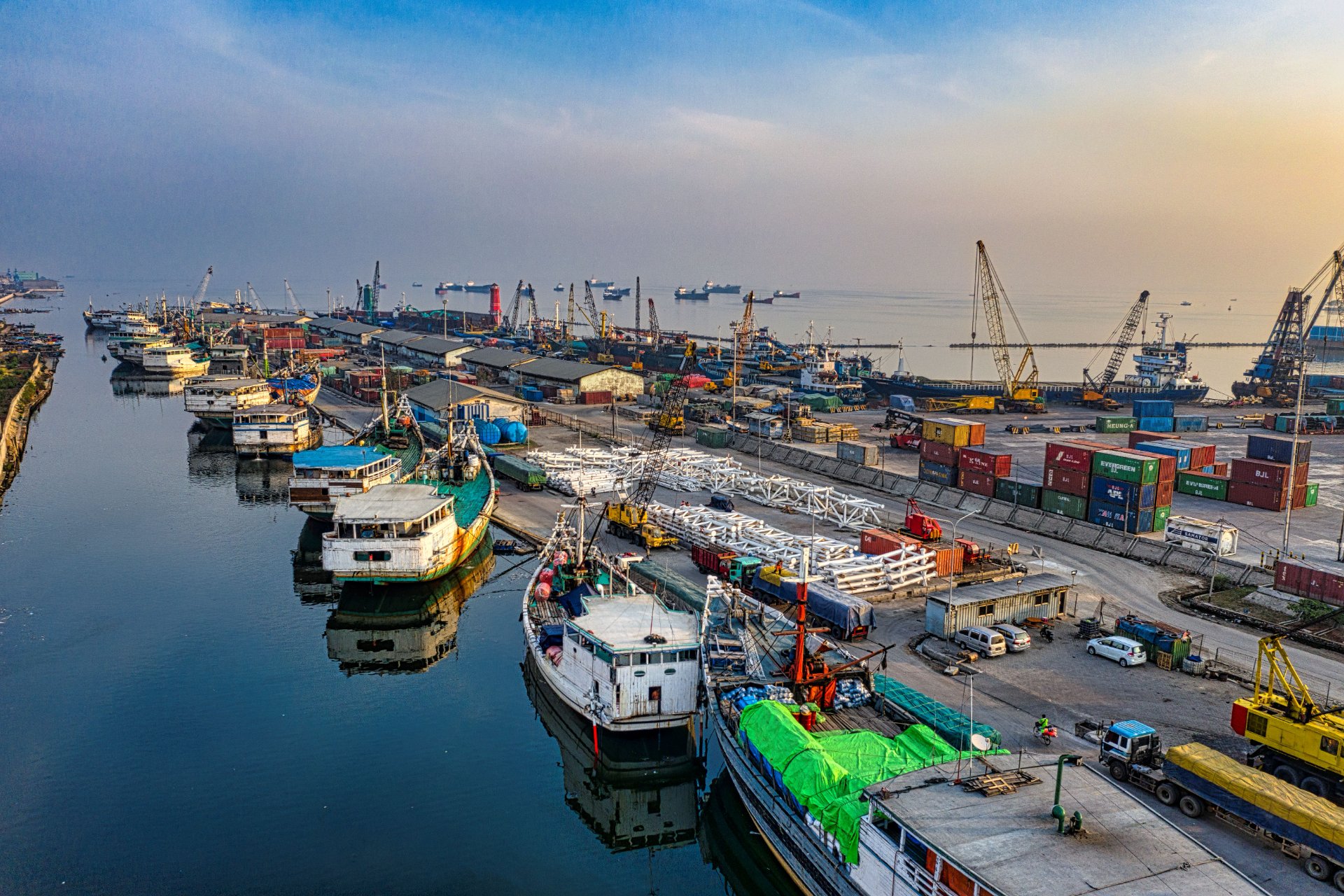
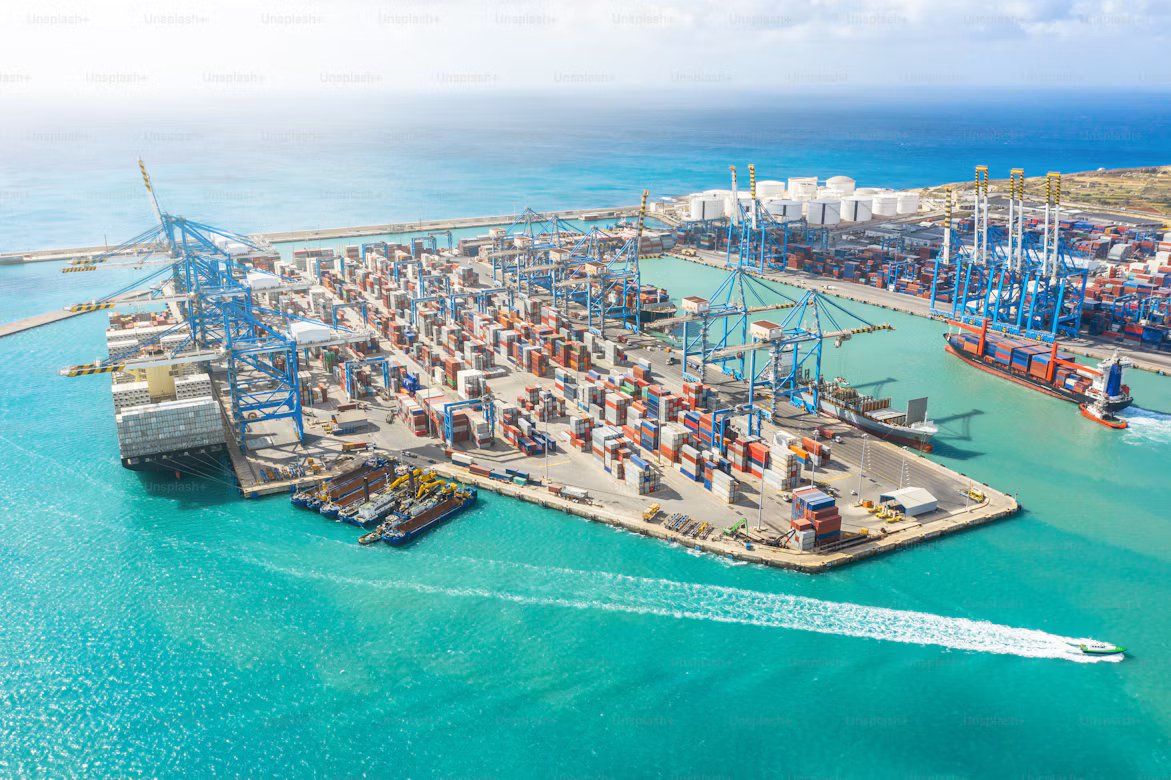
Mali has no coastline. Cars typically clear through a neighbouring country's port — Dakar in Senegal, Abidjan in Côte d'Ivoire, or Conakry in Guinea — and are then moved overland into Mali. Compared with shipping straight into a coastal country, the chain is far more complex: an extra border to cross, extra formalities, and a long road leg to Bamako.
The risk is not abstract. If any single link in that chain stalls, demurrage at the port and inland freight can absorb the entire profit on the batch. For a dealer running volume rather than one-off units, timing at the port is the difference between a working model and a stuck container.
Why This Dealer Buys Chinese Cars
The sourcing decision is not driven by price alone. The client's stated reasons are appearance and model cycle: Chinese-brand used cars look modern and new models come out fast, which fits local taste — and in that market appearance is part of what sells a car.
The economics work because the spread is real: bought at around 20,000 yuan, sold at 35,000 to 40,000 yuan in Mali. On the surface that reads as a doubling of the gross margin. The dealer's own view is more careful — the spread exists, but it has to survive every layer of cost between the two numbers.
What the Dealer Actually Optimises: Predictable Cost, Steady Volume
What keeps this business running is not the “doubling” headline but keeping each layer of cost inside a predictable band. That is why the dealer ships in large batches from China and has extended his destinations beyond Mali to Gabon and Côte d'Ivoire. The pattern is unambiguous: he is not betting on a windfall per unit, he is running repeatable, high-volume turnover.
That changes what an exporter has to deliver. Inconsistent condition and paperwork surprises are what erode margin on a batch, which is why reconditioning and document preparation sit upstream of the sale. What the client is buying, in the end, is reliability rather than the lowest purchase price.
How the Chain Was Made Controllable
Three levers turn a complex landlocked route into a repeatable one.
1. Sourcing and reconditioning moved upstream. Through the export base in Panyu, Guangzhou, the client can see the available stock directly instead of hunting piecemeal on the market, where condition consistency is impossible to guarantee. A more thorough inspection and reconditioning is completed before shipment, so each unit arrives in Bamako in a sale-ready state — no second repair bill in-country.
2. Documentation and transshipment routed to the best fit. Export documents are prepared in Guangzhou, and the transshipment port and overland route are matched to sailing schedules and destination-country policy. Complex cross-border paperwork and logistics coordination stay in China; the client gets a simple handover.
3. Supply-chain response speed to match fast buying. The client buys on a fast rhythm and needs to be able to ship at any time. In-stock reserves plus reconditioning capacity let him lock in vehicles and book shipment without waiting out a long procurement cycle, and dense sailings out of Nansha Port keep cargo leaving on schedule.
Frequently Asked Questions
How much is the import tax on a used car in Mali?
44% of CIF value, applied as a one-stop comprehensive tax on imported used cars. On a 20,000-yuan car that is nearly 9,000 yuan in tax alone, before freight, brokerage, storage or inland transport.
Does Mali have a seaport for vehicle imports?
No. Mali is landlocked. Cars normally clear through Dakar in Senegal, Abidjan in Côte d'Ivoire or Conakry in Guinea, then travel overland to Bamako.
Why do Malian dealers buy Chinese used cars?
Because they look modern and new models come out quickly, which matches local taste — and because the purchase-to-resale spread supports the cost stack. The dealer in this case buys at around 20,000 yuan and sells at 35,000 to 40,000 yuan.
Is a 20,000-to-40,000 spread really a doubling of profit?
Not in practice. The 44% tax, freight, brokerage, terminal storage and the inland leg to Bamako all sit between those two numbers. What the dealer protects is predictability of each layer, not the headline multiple.
What should be ready before shipping used cars to Mali?
Consistent condition confirmed and reconditioning completed before departure, complete export documentation, and a transshipment port plus overland route matched to the sailing schedule.